Beaver Rewilding in Dorset: How Wild Beavers Turned a Woodland Into a Thriving Wetland

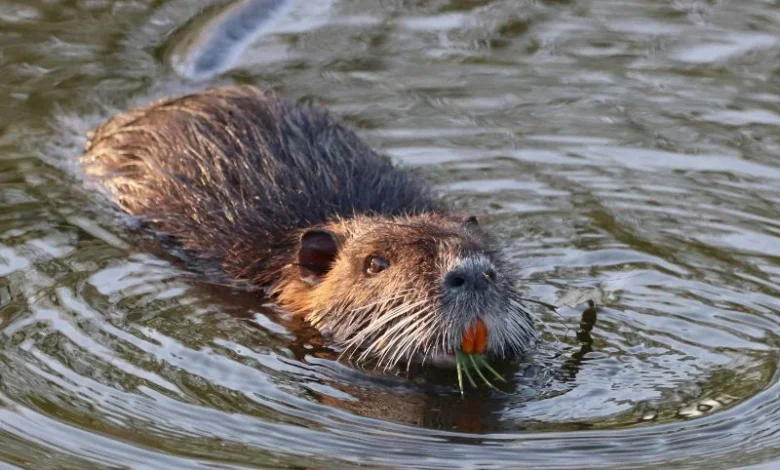
Nature has a quiet way of rebuilding itself when given the chance. In March 2025, the National Trust released a pair of wild beavers into woodland at Studland in Dorset, under the first licence of its kind granted by Natural England. Dorset beaver rewilding, Just twelve months later, that same patch of tangled woodland has become an open, flowing wetland, home to species that had not been seen there in years. This is the story of how one small animal changed an entire landscape, and what it means for people watching rewilding projects around the world.
What Happened at Studland
The beavers were placed near Little Sea, a freshwater lake within the Purbeck Heaths National Nature Reserve. After settling in, the pair built a dam roughly 35 metres long across a small stream. This single structure slowed the water down, created a deep pond, and let sunlight reach the forest floor for the first time in years, since the beavers also felled and coppiced trees along the way.
Why Beaver Activity Matters for Wetland Restoration
Beavers are often called nature’s engineers, and the Dorset project shows exactly why:
- Their dams slow fast-flowing water, reducing flood risk downstream
- Ponds formed behind dams store water during dry spells, helping areas cope with drought
- Felled trees regrow through natural coppicing, keeping woodland healthy rather than damaging it
- Open canopies allow light in, encouraging plants, insects and amphibians to return
- Improved water quality follows as dams filter out sediment naturally
Trail cameras at the site have already recorded otters fishing, a barn owl hunting, and birds such as redpoll and water rail settling into the new habitat.
A Sign of Long-Term Success
Conservation staff also recorded the beavers mating on camera, a rare sight that suggests they have settled well and kits may follow. Gen Crisford, the National Trust’s wetlands project officer, described the change as astonishing, noting that dense, tangled woodland became a light, airy wetland full of life within a single year. More detail on the sighting was covered by ITV News Meridian.
What This Means Beyond Dorset
For readers anywhere in the world, this project is a working example of low-cost, low-intervention habitat restoration. No heavy machinery or large budgets were needed. A single pair of animals, protected by clear licensing and monitoring, reshaped a landscape naturally. Countries considering wetland recovery or flood management can look at this as a practical, nature-based model rather than a purely academic idea.
Quick Checklist: What Made This Rewilding Project Work
- A licensed, monitored release approved by a national conservation authority
- A suitable water source and woodland habitat already present
- Regular monitoring through volunteers and trail cameras
- Patience, since real ecological change took a full year to show clearly
Conclusion – Dorset beaver rewilding
The Dorset beaver project proves that wetland restoration does not always need complicated engineering. Sometimes it just needs the right species, given the freedom to do what it does best, and a case for allowing nature to lead the way.
Track the latest climate changes.
Is Your Seafood Becoming Riskier?
Find how El Niño affects ocean pollution.
Why Are Heatwaves Getting Worse?
Check out the link between monsoons and El Niño.
What Happens During Super El Niño?
See the major weather changes ahead.
Could Food Prices Rise Soon?
Uncover how climate affects grocery costs.
How Will Weather Patterns Change?
Get to know this summer’s biggest climate shifts.