
Sustainable Neighborhoods in Berlin: Area Comparison
Explore sustainable neighborhoods in Berlin. Compare Friedrichshain, Prenzlauer Berg, Adlershof & more for eco-friendly living and urban planning insights.

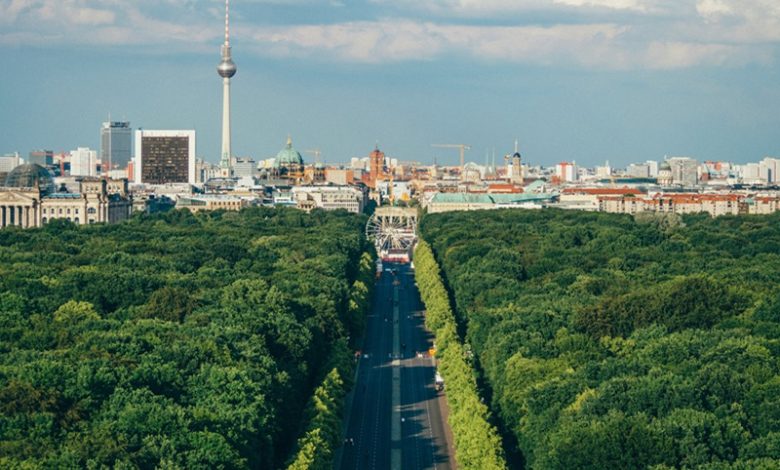
Berlin’s strategy for sustainable neighborhoods is about combining energy-efficient housing, effective public transport systems, plenty of green areas, and community-based development. Sustainability is a way of life in the city by using low-carbon transport modes, utilizing renewable energy sources, and adapting existing buildings.
While each district implements its sustainability strategy differently (such as through eco-communities or retrofit historic buildings), the common goal is to minimize the environmental impact of the community while maximizing the quality of life.
Leading Sustainable Neighbourhoods
Friedrichshain-Kreuzberg
The area is known for its bike friendly culture, environmental initiatives, and community driven sustainable projects. Sustainable development and urban living coexist here with high environmental awareness.
Prenzlauer Berg
This neighborhood has been revived from an urban area historically lacking energy efficiency; it now has energy efficient buildings and green courtyards that support pedestrian traffic. Sustainability has been created through the intelligent revitalization of traditional neighborhoods.
Adlershof
A sustainable neighborhood that has been designed from scratch with a focus on clean energy, innovation, and sustainable infrastructure, with new buildings built efficiently.
Tempelhof-Schöneberg
This neighborhood has provided a balance of green spaces (i.e., Tempelhofer Feld) with sustainable residential planning to highlight the importance of outdoor recreation and reduced emissions.
How These Areas Compare
There are several distinct models of sustainable development within Berlin’s neighbourhoods. This demonstrates that a city does not follow one strict sustainable development model—there are many ways to create a sustainable city through retrofitting, innovative construction techniques and community activism.
An example of how Berlin has evolved towards a more livable, greener urban environment is through the retrofitting of existing neighbourhoods, such as Friedrichshain-Kreuzberg, and the modernisation of older city areas, such as Prenzlauer Berg.
To further illustrate this point, consider: how Adlershof is being developed using future-oriented planning and the integration of technology; how Tempelhof-Schöneberg is creating vast amounts of green space while also providing urban density.
Don’t Miss These Must-Read Miami Insights
1. How Will Rising Seas Transform Miami?
Explore how climate change is reshaping Miami’s future city planning and lifestyle.
2. Are You Ignoring Miami Flood Risks?
Check the common mistakes buyers make when overlooking flood-prone properties.
3. Which Miami Areas Face Flood Risks?
Discover the neighborhoods most vulnerable to flooding risks in 2026.
4. Is Miami Water Turning Dangerously Salty?
Explore how saltwater intrusion is impacting freshwater and daily life.
5. How Harmful Are Cruise Ships To Miami?
Check the environmental impact of cruise activity at busy PortMiami.
Final Words
In conclusion, Berlin offers multiple examples of how cities can become more sustainable, whether through innovative designs, retrofitting existing neighbourhoods, or working together as a community.
FAQs
1. Which neighbourhood in Berlin is the most sustainable?
Adlershof is regarded as one of the most sustainable neighbourhoods because of its planned, energy efficient infrastructure.
2. Is Berlin a sustainable city?
Yes, Berlin is considered a sustainable city due to its extensive public transportation systems, large amounts of green space, and commitment to implementing environmental policies.
3. Are older neighbourhoods in Berlin sustainable?
Yes! Many of these older neighbourhoods have been retrofitted with energy-efficient systems, created green spaces through innovative planning.
4. How do we define a sustainable neighbourhood?
A sustainable neighbourhood uses energy efficiently, provides good public transportation, contains large amounts of green space, and has a low environmental impact.