

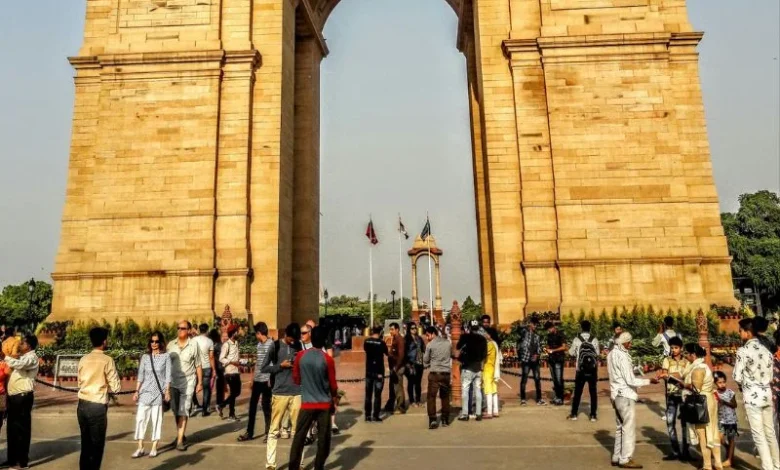
Delhi’s recent heat wave warning isn’t just another typical report; it also signals an emerging pattern of rising heat risks across cities in the Global South. A ‘yellow alert’ often indicates dangerous but not poor weather conditions; however, In delhi yellow alert heat dome 2026 the yellow alerts have arrived before the heat waves, there have been longer durations of the same heat waves towards the beginning of the calender year, and there are now many people impacted by one heat alert than previously observed.
The importance of the length and number of yellow alerts indicates that there are going to be seasonal trends for heat waves in the future; therefore, urban systems—public health systems, electric grid systems and water supply systems—are going to be taxed due to the protracted periods of time during which these heat waves will last.
The 2026 Heat Dome Explained
The source of the extreme heat across the globe in 2026 is the heat dome being kept suspended above the heat-affected area. A heat dome is classified as a high-pressure system, therefore, the heat associated with the dome has accumulated in the affected area for multiple days or a week or longer. In developed and developing countries like Delhi, a combination of human activity, CO2 emissions, concrete buildings, smoky air, and limited vegetation would have allowed heat stress to persist for longer periods in 2026 than in years past.
Therefore, in 2026, we are going to have many heat waves in metropolitan areas across the globe regardless if they occur in July, August or September; there will continue to be extreme temperatures from all of the heat domes.
Why This Matters for Global South Cities
What is happening in Delhi could be an indicator of the future for many of the cities in Asia, Africa and Latin America. Cities are continuing to grow with rapid urbanisation and more informal housing being constructed with very little infrastructure being developed that is resilient to the impacts of climate change (specifically extreme heat), therefore making them very vulnerable to extreme heat events.
Urban infrastructure in Global South cities is not prepared for climate change. The following are some of the key issues that are expected from extreme heat on urban infrastructure:
- Power grid overload due to increased demand for cooling during high temperature events
- Water shortages during the hottest periods
- Increased number of health emergencies due to increased incidence of heat-related health issues in low-income communities
- Reduced productivity due to increased incidence of heat-related sickness and economic strain
The issue for many cities in the Global South is not simply heat-related, it is primarily the inability of cities to adapt quickly to climate change.
Smarter Living Tips for Climate, Comfort & Sustainability!
Which LA Areas Are Climate Safe?
Discover the safest and riskiest zones in Los Angeles for climate impact.
How Much To Cool Sydney Home?
Explore the full cost breakdown of cooling a home in Sydney today.
Why Does Indoor Air Quality Matter?
Check how indoor plants improve air and boost healthier living spaces.
What Are Benefits Of Regenerative Farming?
Explore proven advantages and warnings about greenwashing in agriculture.
Which Curtains Keep Delhi Homes Cooler?
Discover the best curtains and shades to reduce heat in Delhi homes.
Final Words
The Yellow Alert in Delhi should not be viewed as strictly a local issue but a global warning to the world. The 2026 Heat Dome represents a major turning point in urban development and climate change: cities need to move from reacting to heat waves to proactively designing for them. This is a time for all cities in the Global South to invest resources in resiliency prior to extreme heat becoming an everyday occurrence.
FAQs
1. What does a Yellow Alert in Delhi mean?
A Yellow Alert indicates there is a high potential for dangerous heat conditions; therefore, the authorities recommend that people take extra precautions during periods of excessive heat.
2. What is a Heat Dome?
A Heat Dome is a unique weather pattern that traps heat over a specific area resulting in a prolonged period of high temperatures (heat wave).
3. Why do we see more frequent heat waves today than we did in the past?
This is a direct result of climate change.