
Extreme heat is exposing an important structural flaw in our cities that have been constructed to accommodate temperature ranges that will be affected by climate change.
Our urban structures have historically evolved from geographical regions that were characterized by moderate temperature ranges. With the growing frequency, length, and intensity of heatwaves, we are now beginning to test those traditional designs. cities failing to handle extreme heat, Urban infrastructure, such as pavement, railroads, electrical grids, and public spaces, is failing due to prolonged extreme heat events. This is leading to greater disparity between urban planning and climate reality.
Where Cities Are Failing
1. Urban Heat Island Effect
Urban centres utilize concrete, glass, and asphalt-like materials that hold heat throughout the day and slowly release it at night. This creates an Urban Heat Island Effect whereby cities are warmer than surrounding areas, inhibiting the ability of cities to experience cooling at night.
2. Diminished Green Cover
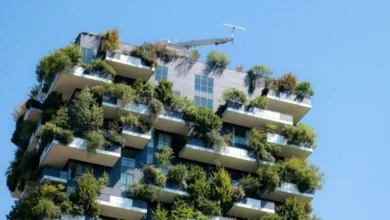
Rapid urbanisation has also resulted in the loss of trees, wetlands, and open space; therefore, urban regions are now dependent upon these natural forms of cooling to offset heat.
3. Overloaded Power Grids
When summertime temperatures rise, the demand for air conditioning increases, which places tremendous strain on electrical supply grids, resulting in power failures. Ironically, some of the very systems that residents rely on to cool their homes are now nonexistent or unavailable.
4. Inadequate Buildings
Many older buildings in cities such as London are designed to retain heat and not release it from their interiors; consequently, the inside areas of these buildings are uncomfortable.
5. Inequality in Heat Exposure
Not everyone experiences heat the same way. Low-income communities often have less access to cooling, green spaces, and resilient infrastructure, making them more vulnerable.
More Stories You Shouldn’t Miss
Which Hyderabad areas face worst heat?
Check the neighborhoods most vulnerable during extreme heatwaves in the city.
Which Indian cities face extreme heat?
Discover the regions across India at highest risk from rising temperatures.
Is major weather shift coming April?
Explore how upcoming weather changes could impact temperatures across India.
Which cities face climate risk 2026?
Check the urban areas under immediate environmental threat this year.
Why Chennai preparing early for heat?
Discover how Chennai is tackling rising temperatures and health risks early.
What Cities Need to Do (But Aren’t Doing Enough)
Cities will need to make some big design changes to manage extreme heat instead of being reactive:
- Increase the amount of urban green or tree cover throughout the city.
- Use materials that reflect or resist heat when constructing buildings.
- Create buildings that allow air to flow in and keep the interior cool.
- Provide shade in public areas.
- Design energy systems for peak heat usage.
Final Words
Cities around the world are not failing to respond to extreme heat because they are not aware of it; they are failing because they do not respond quickly enough. As we move toward a future filled with serious challenges related to climate change, there is an urgent need for cities to redesign how they are built, powered and lived in.
FAQs
1. Why do urban areas tend to feel hotter than rural areas?
Due to materials that absorb heat and the lack of green areas within the city.
2. What is the primary area where cities have failed to respond to extreme heat?
Inadequate urban design and a lack of building cooling systems.
3. Do all cities experience extreme heat in the same way?
No. Cities that are densely populated and rapidly expanding are more likely to be affected by extreme heat.
4. Can cities adapt to extreme heat?
Yes, but they need to have a long-term strategy and invest in infrastructure to do so.