
With the temperatures in many of India’s largest cities reaching into the 40-45°C range and a very limited reduction during the evening, air conditioning (AC) is no longer a choice India heatwave 2026 AC necessity but instead requires having AC, if one wishes to live and perform at a productive level.
Why AC Is Becoming Essential in Indian Cities
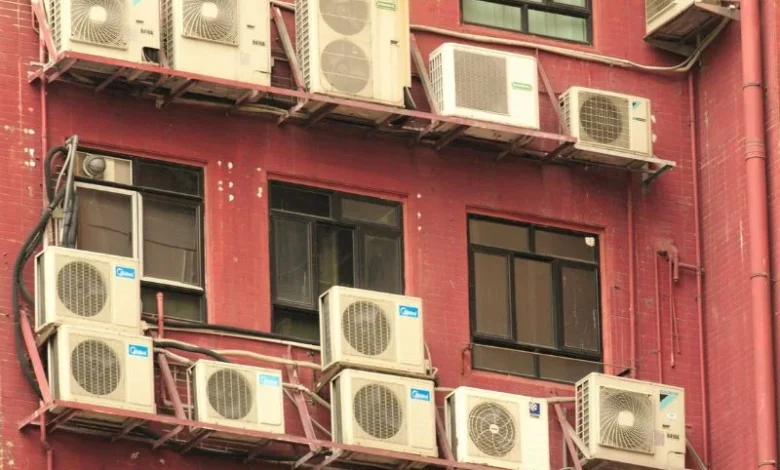
Air conditioning is rapidly emerging as essential to providing comfort and productivity in Indian cities. Cities such as Delhi, Ahmedabad, and Hyderabad are experiencing longer, stronger, and more intense heat waves, due to the urbanization of those cities trapping heat in a phenomenon called Urban Heat Island Effect. Urban Humidity is further contributing to these extreme conditions. Under these extreme conditions, fans are no longer creating much relief, nor are many of the other traditional cooling methods. AC provides an indoor temperature-controlled environment that allows us to reduce heat stress, to better sleep, and to work productively. Particularly among groups that would otherwise be identified as vulnerable to heat-related illnesses, young children, the elderly, and the sick, the presence of air conditioning can be the difference in avoiding a heat-related illness.
The Trade-Off: Comfort vs Energy Demand
While providing much-needed relief, there are multiple challenges that come from the use of air conditioning. The growing use of air conditioning is resulting in an increase in demand for electricity, which puts tremendous strain on the power grids during the hottest months of the year. The result of this increased pressure on the electricity grid is often a power outage when one most needs relief from the weather.
There are also economic challenges related to air conditioning. The rising costs of both installation and ongoing electricity costs of air conditioning are out of reach for most of India’s families. Air conditioning can cool a home; however, for the vast majority of India’s people, it is a luxury they cannot afford.
More Stories You Shouldn’t Miss
Which Hyderabad areas face worst heat?
Check the neighborhoods most vulnerable during extreme heatwaves in the city.
Which Indian cities face extreme heat?
Discover the regions across India at highest risk from rising temperatures.
Is major weather shift coming April?
Explore how upcoming weather changes could impact temperatures across India.
Which cities face climate risk 2026?
Check the urban areas under immediate environmental threat this year.
Why Chennai preparing early for heat?
Discover how Chennai is tackling rising temperatures and health risks early.
What This Means for the Future
The increased use of AC in our cities shows an overall trend. There is a growing need for cooling as part of urban “lifelines” just like water and power.
Yet, cities cannot depend entirely on using AC to meet all of their cooling needs. To that end, long-term strategies must consist of:
– Improved design and insulation of the buildings
– Increasing green space in cities to reduce heat
– Using energy-efficient technologies for cooling
– Implementing policies that promote equitable access to cooling and incentives for sustainable cooling.
The intent is not only to have more cooling but also smarter systems of cooling that are equitable for all people.
Final Words
India’s heat wave of 2026 has set new definitions of what we consider as “basic needs.” Air conditioning is no longer solely a luxury, but it is also a necessity for survival in the hottest temperatures due to climate change.
FAQs
1. Is AC necessary?
In many (if not all) metropolitan areas, yes, during peak heat, it greatly reduces the risk of serious adverse health effects.
2. Could using a fan substitute for using an air conditioner?
A fan will generally not be sufficient for a person in extreme temperatures.
3. What are the drawbacks of using an AC?
They consume more energy, are expensive to use and have negative impacts on the environment.
4. What is the long-term solution?
The long-term solution is to integrate ACs with improved urban planning/design and sustainable mechanisms for producing cooling effects.