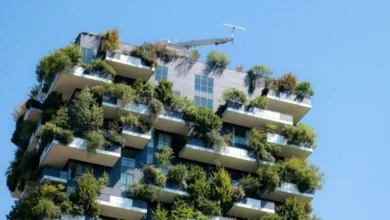

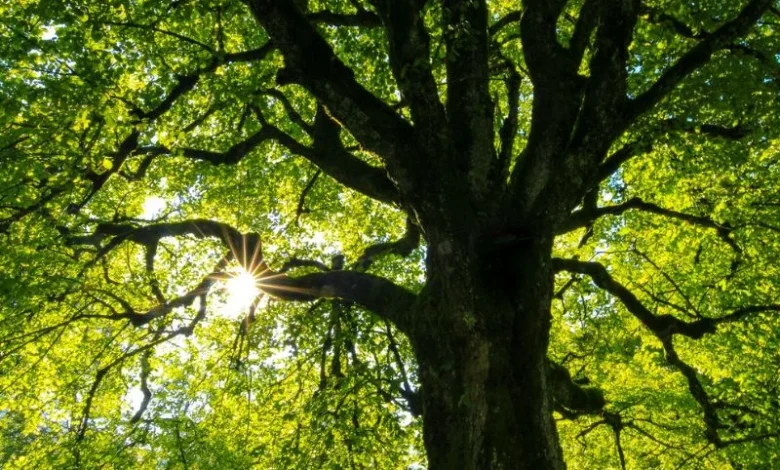
Several studies from around the world indicate that when considering all the different ways a tree cools the urban environment, few urban cooling strategies outperform a tree. A tree’s canopy provides direct shading of pavement, roadways and structures, which lowers surface temperature of all three. The leaves of trees participate in a process called evapotranspiration, which releases moisture (water) from the leaves into the surrounding air and naturally cools the air.
In densely populated cities like Delhi, urban trees cooling heatwave for example, appropriately placed and sized tree corridors can lower local air temperature a minimum of 2 to 5 degrees Celsius, and can result in much larger reductions on the shaded functional pavement. Unlike traditional (and energy-intensive) methods of cooling, such as air conditioning units, trees have the ability to provide cooling in both outdoor (air temperature) and indoor (space temperature) environments without returning heat into the urban environment. This unique ability to simultaneously cool both air and space temperatures makes trees especially effective at lowering ambient air temperature and perceived heat stress
How Trees Beat Other Cooling Methods
Relative to reflective roofs, cool pavements, and mechanical air conditioning systems, trees provide system-wide benefits. Reflective materials are effective in reducing surface heating but do not actively cool air temperature. Mechanical (electric) air conditioning systems are effective in providing cooling to indoor spaces and at the same time expel heat back into the outdoor urban environment, resulting in warmer temperatures in the surrounding community.
Trees, on the other hand, provide the following benefits:
1. Lower ground and air temperature via shade and evapotranspiration
2. Reduce demand for mechanical cooling of buildings = reduced energy use
3. Provide improved air quality via particulate trapping
4. Absorb stormwater = reduced risk of flooding
These benefits provide a way to address multiple urban issues at the same time (heat, air quality and water management), therefore trees are the most effective option available.
Smarter Living Tips for Climate, Comfort & Sustainability!
Which LA Areas Are Climate Safe?
Discover the safest and riskiest zones in Los Angeles for climate impact.
How Much To Cool Sydney Home?
Explore the full cost breakdown of cooling a home in Sydney today.
Why Does Indoor Air Quality Matter?
Check how indoor plants improve air and boost healthier living spaces.
What Are Benefits Of Regenerative Farming?
Explore proven advantages and warnings about greenwashing in agriculture.
Which Curtains Keep Delhi Homes Cooler?
Discover the best curtains and shades to reduce heat in Delhi homes.
What the Data Suggests Cities Must Do Next
Evidence is pointing to one compelling truth: size matters when it comes to trees in cities. The small pockets of vegetation available are useful, yet the most significant impact on cooling will be achieved through trees and a continuous canopy covering an area such as a street, park or neighbourhood. Cities should change from planting primarily for aesthetic appeal and begin to implement an urban forestry approach that provides trees with multiple benefits.
Some suggested actions are:
- Establish critical tree canopy cover for areas identified as vulnerable to heat
- Plant drought tolerant, regionally native species to contribute to canopy growth
- Preserve and care for the largest trees, as they provide the most significant cooling effects
- Ensure that trees are integrated into urban design and metropolitan transport systems.
For rapidly growing cities, establishing this form of urban infrastructure for heat resilience is non-negotiable.
Final Words
Trees in urban settings are no longer just nice to look at; meet the requirements of being part of the urban climate’s critical infrastructure. The most effective cities will be those that provide shaded areas, and not necessarily those who add additional mechanical means to cool their urban populations, especially during heat events.
FAQs
1. How much cooling do trees provide a city?
Green areas can cool local temperatures beyond 2–5 degrees Celsius and sometimes even more when situated under their canopies.
2. Is using trees to cool an urban environment more efficient than using air conditioning?
Yes, for outdoor cooling; city-wide impacts, trees will provide significant cooling without adding heat elsewhere.
3. Do all trees provide the same cooling?
No. The cooling potential of trees differs depending upon canopy cover, species and location.
4. Can cities rely solely on trees to cool their urban population?
No. It will be necessary for cities to also implement other sources of cooling. However, trees will be part of the solution.