The ‘Urban Heat Gap’: Why Some Neighbourhoods in Delhi Are 6–8°C Hotter Than Others Right Now

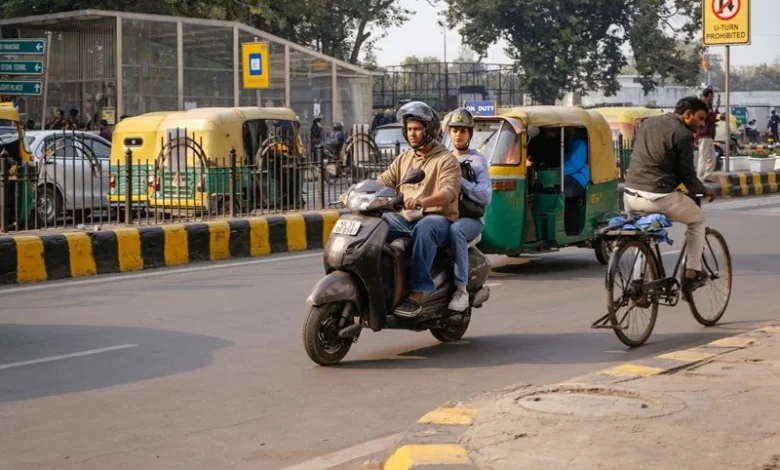
As you walk across Delhi this afternoon, one thing you will notice is that there are some areas of the city that have acceptable temperatures, while others have unbearable temperatures. The difference (usually between 6–8°C) is referred to as the “urban heat gap” and has become increasingly apparent in 2026.
What Is Causing This Temperature Difference
1. Urban Heat Island Effect
The urban landscape absorbs heat during the day via concrete, asphalt and glass surfaces before gradually releasing that heat through the use of energy over the course of hours/days. In general, but especially during hot summer months, the Central, Industrial and Densely Populated Neighbourhoods of Delhi have a greater overall potential for heat retention than their neighbouring Parks, Trees and Open Spaces, which generally release heat much quicker than do buildings.
2. Green vs Brown Space
Parks (Green Space) in Delhi generally have cooler temperatures than residential buildings (Brown Space) due to:
• Trees provide shade for the area
• Plants release moisture, which has a cooling effect on the surrounding area
• Due to the lack or limited availability of trees in high-density residential areas, these areas experience higher surface and ambient temperatures.
3. Design and Layout of the Buildings
• Narrow streets with buildings in proximity to each other have hot air trapped between them.
• High-rise buildings close to each other tend to diminish airflow into and out of their vicinity.
• Early designs/layouts of buildings constructed before the development of naturally ventilated dwellings can create areas where the retention of heat is exacerbated.
4. Traffic & Human Activity
Overall parks (green area) will be cooler than residential (brown area) building out for these reasons;
– trees provide a covered area from direct sunlight.
– plants give off water vapor, which cools an area’s temperature.
– Residential properties with high densities of people tend to have very few or no trees on their property; therefore, those homes with many people live near high surface and air temperatures.
Heatwave Trends, Weather Shifts & City Alerts
Explore El Nino Middle East hotter months?
Discover why upcoming months may turn hotter and drier.
Check Mysuru heatwave crossing 40 degrees?
Explore rising temperatures and local heat conditions.
Discover Hyderabad groundwater levels falling?
Check what declining water levels mean for residents.
Explore Delhi weather heat rain fluctuations?
Discover why conditions are shifting between extremes.
Check Delhi peak electricity load figures?
Explore rising power demand during extreme heat.
Why This Matters More Than Ever
The Urban Heat Gap doesn’t just affect your comfort during the summer months. They affect people’s quality of life by creating:
- a greater risk of heat-related illnesses such as heat exhaustion and heat stroke,
- an unequal quality of living between neighborhoods,
- higher levels of electricity consumption in hotter areas,
- and increased stress on at-risk populations.
- Heat becomes unevenly distributed across urban areas, leaving some communities to suffer the most.
Final Words
The Urban Heat Gap demonstrates that extreme heat piles up as a crisis not just on the city level but also at the neighborhood level.
Your experience of heat waves is now defined by where you live which makes the way places are designed just as essential as the weather they’re experiencing.
FAQs
1. What makes some areas of a city warmer?
Greenery, building/physical shape, and wind patterns are related to temperature in different areas of a city.
2. Is the temperature difference able to hit the 6-8°C range?
Yes, as a result of high levels of buildings to trees/gardens (high density population places have more buildings than trees/gardens.)
3. Is This A Growing Problem?
Yes, the world is experiencing Urban Heat Islands due to the result of rapid growth in urban areas and climate change.
4. Will This Issue Ever Get Resolved?
Some of the issues contributing to the Urban Heat Gap can be resolved with better overall planning and the installation of green space around our cities.