India’s Cooling Crisis: Why Air Conditioners in Mumbai Are Struggling During Peak Hours

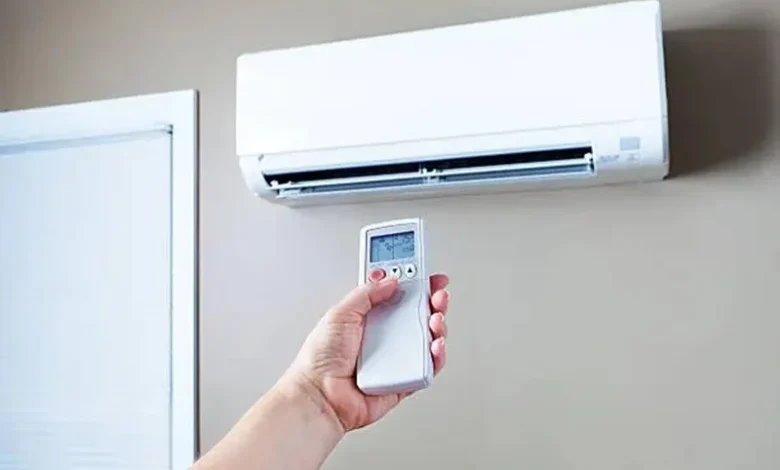
Mumbai has an abundance of air conditioners; however, a lack of cold air is its main issue. Even with air conditioning, both businesses and residences are experiencing less-than-ideal cold air output during extreme hot temperatures.
The Hidden Problem: It’s Not Just Heat, It’s Humidity
Temperatures in Mumbai quarter (34-35 degrees)–however, the humidity levels will typically be in excess of 70% +. Therefore, the air feels hotter than it actually is.
Here is the main point of concern:
- Air conditioning units are meant to cool a space, but in a humid city such as Mumbai, air conditioning units also must remove excess humidity.
- Because of high amounts of humidity, a lot of electricity is expended by air conditioning units to remove the humidity, rather than cool the air.
- Therefore, you would expect your room not to feel as cool while the air conditioning unit operates non-stop.
Peak Hour Power Load Is Overwhelming the System
The amount of electricity being used in Mumbai, especially due to air conditioning units, is placing extreme stress on the electrical grid in that city.
Over 28,000 MW (megawatts) of electrical consumption is recorded in the State of Maharashtra, with Mumbai accounting for greater than 3,500 MW alone.
High electrical demand creates challenges such as voltage fluctuations and additional strain on the grid.
Many air conditioning units may operate less efficiently or take much longer to cool because of these electric supply challenges.
More Stories You Shouldn’t Miss
Which Hyderabad areas face worst heat?
Check the neighborhoods most vulnerable during extreme heatwaves in the city.
Which Indian cities face extreme heat?
Discover the regions across India at highest risk from rising temperatures.
Is major weather shift coming April?
Explore how upcoming weather changes could impact temperatures across India.
Which cities face climate risk 2026?
Check the urban areas under immediate environmental threat this year.
Why Chennai preparing early for heat?
Discover how Chennai is tackling rising temperatures and health risks early.
Why ACs Work Worse in the Afternoon
The performance of your air conditioning unit deteriorates throughout the course of its daily operation. Between 12:00 PM and 6:00 PM, for example, most residential units will lose more than 40% of their capacity due to a combination of stressors. Here are three reasons why this loss of capacity occurs:
1. Extreme temperatures experienced outside will cause the walls, ceiling, and windows to absorb that heat all day long and transfer it to inside the house, thus forcing your AC to run at double its capacity.
2. Because ACs run all the time without stopping for a minute to allow the compressors to cool off, the compressors will become so hot that they will run less efficiently after 12 PM.
3. Many homes in Mumbai are designed poorly when it comes to preventing heat from being trapped indoors—the majority of closed buildings in Mumbai trap the heat from the sun and create an environment where the AC can take much longer to cool down than it normally would.
The Bigger Issue: ACs Are Not Built for This Climate Shift
The bigger problem is that ACs were not constructed to work within the current climate. Most ACs were manufactured only with the intention to control temperature, now there are cities all over the world experiencing increasing humidity and increasing heat for an extended period of time:
• Higher Humidity Levels
• Longer Heat Hours
• Increased AC Usage
Final Words
In summary, the issue with cooling within the cities of Mumbai is not due to faulty air conditioning equipment, but rather due to the city’s current climate that is incompatible with the original design.
FAQs
1. Why is my AC not cooling properly in Mumbai?
Because humidity is high and ACs are working harder to remove moisture.
2. Is this a power issue or weather issue?
Both—humidity and peak electricity demand affect performance.
3. Why is cooling worse in the afternoon?
Due to maximum heat buildup and grid load.
4. Will this problem get worse?
Yes, as heatwaves and humidity increase.