
From Kolkata to Darjeeling: Why West Bengal is under a 6-day weather alert and why it matters to you

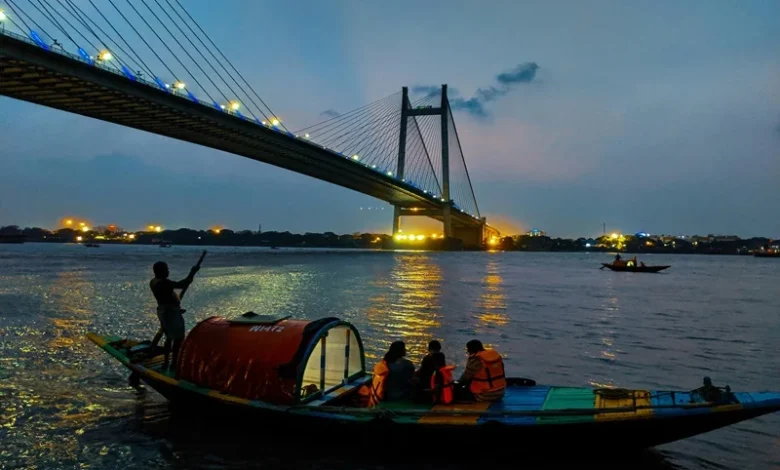
Throughout the next few days, West Bengal has been put under a series of severe weather watch; thus, authorities think that it is prudent to prepare for thunderstorms, heavy rain, high winds, and even potential landslides on both the cities of the plains and the hills of rural West Bengal.
The watch area spans from the moisture-laden plains of Kolkata to the unstable hilltops of Darjeeling, revealing just how broad and diverse the potential impacts of weather may be throughout the state.
What’s Driving This 6-Day Alert
West Bengal has been experiencing a typical seasonal phase in the months leading up to the onset of the summer monsoon, wherein:
1. Hot, land-bound air forms a significant thermal “bubble.”
2. Moisture is moving into the state from the Bay of Bengal
3. The combination of these two processes leads to severe, localized thunderstorms and periods of excessive precipitation
4. In the hilly regions located at the north of the state, where the terrain lifts the moisture upwards, the risk of continuous wet weather and resulting landslides increases dramatically.
How Different Regions Are Affected
Southern Portion Of The State (Kolkata and Inner Plains)
- Multiple thunderstorms with associated lightning
- Very short, but very intense rain events
- Wind gusts between 40 and 60 km/hr
- A temporary reduction in heat, but also an increase in humidity
Northern Portion Of The State (Darjeeling and Hills)
- Continuous or heavy precipitation
- Incredibly high risk of landslides and road blockages
- Reduction in visibility, resulting in disruption to transportation systems
Stay Ahead with Sustainable Trends
1. How India Achieves Eco-Friendly Rural Growth?
Explore how sustainable practices are transforming rural India while adapting to economic changes.
2. Why Is Copenhagen the Most Sustainable City?
Discover what makes Copenhagen a global leader in urban sustainability and green living.
3. Why Is ASUS Among Top Sustainable Corporations?
Check how ASUS earned its place among the world’s most eco-conscious companies in 2026.
4. How Can Sustainable Living Improve Your Health?
Explore simple lifestyle changes that boost personal health while protecting the planet.
5. Why Does Kenya’s Green Belt Movement Inspire?
Discover how this movement continues to drive global reforestation and environmental awareness.
Why This Alert Matters to You
This is more than just a weather alert; it affects everybody’s life in ways that are currently, or will shortly, affect you:
- Travel disruptions (especially in hilly areas)
- Increased risk of trees falling, flooding, and utilities shutting off
- Increased risk for outdoor activities due to lightning
- Potential delays in transportation, tourism, and logistics due to bad weather
What Happens After These 6 Days
While these storms will produce temporary cool weather, they don’t indicate a monsoon.
- The rain will not only be sporadic, but the distribution of it also will not be equal.
- Heat will come back just between rainstorms, and humidity will also come back.
- “Monsoon” weather won’t come until the start of the actual monsoon season in June.
Final Words
A 6-day weather alert represents the difference of one weather system producing various impacts on different areas from the stormy skies over Kolkata to the hills of Darjeeling, which are very vulnerable to them.
Currently, it is important that you are aware, because the weather has not only been changing, but also will continue to change rapidly and unpredictably.
FAQs
1. Why is West Bengal under alert for so many days?
West Bengal is experiencing a period of continuous instability and moisture in the atmosphere.
2. What areas are at risk?
Darjeeling hills (landslides) and Kolkata (urban storms).
3. Will this be the end of the heat wave?
No, the heat will continue between rain.
4. Is it safe to travel to the hills?
Safe travel is possible in the hills; however, everyone should use caution due to the possibility of landslides.