Namibia Says Yes to Seabed Phosphate Mining, and the Fishing Industry Isn’t Happy

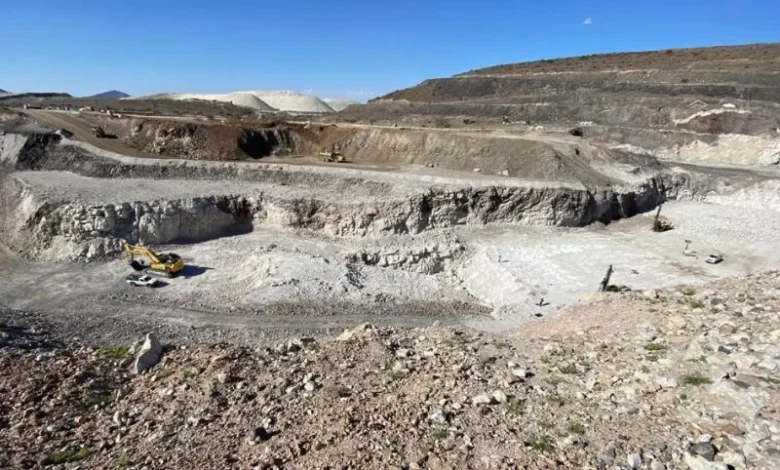
There’s a fight brewing off the coast of Namibia, and it’s been years in the making. Namibia seabed phosphate mining, The government has just approved a seabed phosphate mining project that was shelved back in 2013 over safety concerns, and now those same worries are resurfacing. The Sandpiper Project, led by Namibian Marine Phosphate (NMP), could turn into the first commercial deep-sea phosphate operation anywhere on the planet. Fishing communities aren’t thrilled, and neither are the scientists who study the waters this project would disturb.
So What Exactly Got Approved?
Namibia’s Ministry of Environment, Forestry and Tourism handed NMP an Environmental Clearance Certificate in early August. That paperwork opens the door to dredging across a concession stretching about 2,234 square kilometres of seabed, sitting roughly 120 kilometres out from Walvis Bay. NMP wants to pull phosphate rock from depths of 180 to 250 metres, with a goal of about three million tonnes of concentrate a year, spread over a 20-year licence.
Why People Are Pushing Back
This isn’t the first time NMP has tried this. The company got a licence back in 2011, only to see the whole thing grind to a halt in 2013 once concerns piled up about marine ecosystems and the fishing sector.
Ocean Conservation Namibia, a local nonprofit, has been especially vocal, warning that dredging on this scale could hurt the Benguela ecosystem, an area known for some of the richest fishing grounds anywhere. Here’s what critics are pointing to:
- Sediment stirred up by dredging could bury or smother seafloor habitats.
- Heavy metals sitting in the sediment might work their way into fish and, eventually, into people.
- Namibia’s fishing industry, which employs a huge number of people, could take a long-term hit.
- Fish breeding near the mining zone could carry contamination risks.
Namibia Is Going Where Other Countries Wouldn’t
What makes this decision notable is that it goes against the grain. New Zealand’s environmental regulator turned down a nearly identical seabed phosphate proposal, and Mexico blocked one off its own coast too. So Namibia moving forward puts it in rare company, and that’s part of why marine scientists elsewhere are paying close attention.
Nothing’s Starting Tomorrow
NMP has been upfront that mining won’t begin right away. There’s still more paperwork ahead, including permits for the land-based infrastructure needed to actually process what gets dredged up. That gap leaves room for legal challenges, more research, and continued public pressure before any machinery hits the water.
What to Keep an Eye On
- Whether NMP secures its remaining permits, or hits more delays
- Independent studies on sediment plumes and heavy metal exposure
- How Namibia’s fishing associations respond, legally or otherwise
- Reaction from international ocean conservation groups
Final Thought – Namibia seabed phosphate mining
Namibia’s approval of seabed phosphate mining is a genuine test case. It’s betting economic gain outweighs the environmental unknowns, in a spot where other governments have said no. Whether that bet pays off will matter well beyond Namibia’s own coastline, so this is a story worth following closely in the months ahead.
Track the latest climate changes.
Is Your Seafood Becoming Riskier?
Find how El Niño affects ocean pollution.
Why Are Heatwaves Getting Worse?
Check out the link between monsoons and El Niño.
What Happens During Super El Niño?
See the major weather changes ahead.
Could Food Prices Rise Soon?
Uncover how climate affects grocery costs.
How Will Weather Patterns Change?
Get to know this summer’s biggest climate shifts.