Racing Against Time: How Indigenous Knowledge Is Helping Save the Philippines’ Rare Birds

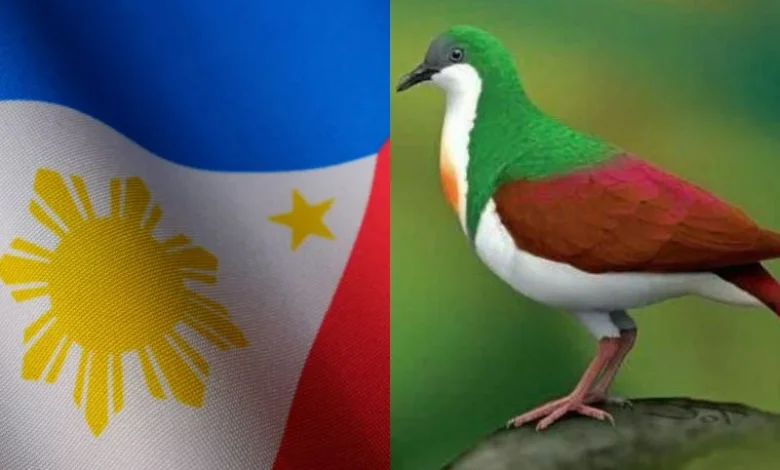
There’s something quietly urgent happening in the forests of Mindoro Island in the Philippines. indigenous bird knowledge, Elders from the Iraya Mangyan community are sitting down with conservationists and sharing decades of memory about birds most of the world has never heard of. It isn’t nostalgia. It’s an attempt to save species on the brink, using knowledge that was never written down in the first place.
Why These Birds Mean So Much
To the Iraya, birds aren’t just wildlife. They’re messengers. Storm forecasters, even. Three species found nowhere else on Earth sit at the center of this work: the Mindoro racket-tail parrot, the Mindoro boobook owl, and the Mindoro scops owl. Two are already classified as vulnerable.
One elder remembers a strange gathering of racket-tails in a single tree, years ago, right before a typhoon tore through the island. He was nine at the time. Now, whenever he sees the birds cluster like that, he prepares.
A Library That’s Disappearing
Here’s the problem: the people who hold this knowledge are getting older, and fewer young people are picking it up. At the same time, logging and new infrastructure keep chipping away at the forest these birds need to survive. If nobody writes any of it down, a whole way of understanding the forest could quietly disappear within a generation.
What the Documentation Work Actually Looks Like
A local conservation group is now recording this knowledge as part of a wider plan to protect the Iraya’s ancestral lands, which sit inside a UNESCO-recognized biosphere reserve. In practice, that means:
- Sitting down with elders and forest patrollers to record their stories directly
- Mapping out places the community considers culturally important
- Comparing traditional observations of bird behavior against modern scientific data
- Folding all of it into official land and wildlife protection plans
Conservationists involved say the two knowledge systems fill in each other’s gaps. Long-term community observation catches patterns that short-term scientific surveys can easily miss.
Why This Matters Beyond the Philippines
This isn’t just a local story. Communities from the Amazon to the Himalayas are sitting on similar reserves of ecological knowledge that nobody has ever formally captured. As biodiversity loss speeds up around the world, pairing that kind of local wisdom with modern science is one of the more practical, low-cost ways to catch problems early.
Conclusion – indigenous bird knowledge
The birds of Mindoro aren’t just a footnote in a conservation report. They’re a reminder of what’s possible when old knowledge and new science actually talk to each other instead of working in separate rooms. Protecting these species, and the memory that explains them, means acting now, while the people who remember are still around to ask.
Track the latest climate changes.
Is Your Seafood Becoming Riskier?
Find how El Niño affects ocean pollution.
Why Are Heatwaves Getting Worse?
Check out the link between monsoons and El Niño.
What Happens During Super El Niño?
See the major weather changes ahead.
Could Food Prices Rise Soon?
Uncover how climate affects grocery costs.
How Will Weather Patterns Change?
Get to know this summer’s biggest climate shifts.