Heatwave Pushes Rare Birds Into Yorkshire Gardens, Sparking Climate Concern
Rising heat is driving rare birds into Yorkshire, delighting birdwatchers but worrying experts about a changing climate.

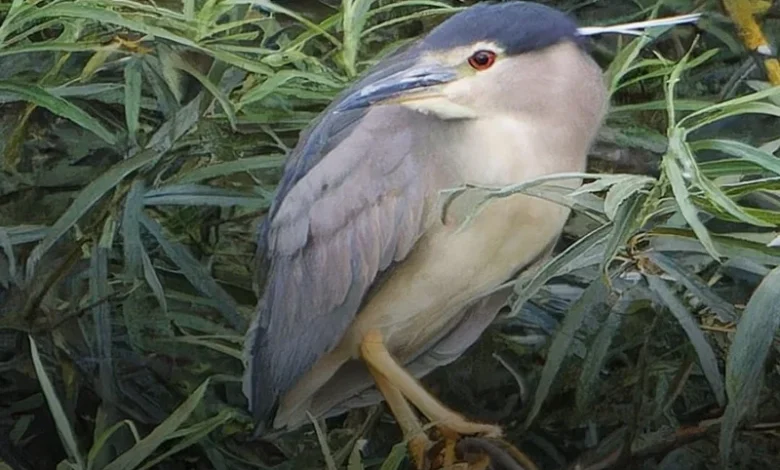
Something odd is happening in the skies over Yorkshire this year. Birds that most people would only expect to see in Africa or southern Europe are turning up in local gardens, lakes and quiet residential streets. For birdwatchers, every new arrival is a touch of magic. For scientists it’s beginning to look like a pattern worth noting.
Why Yorkshire is the place for rare birds
Warmer conditions further south are drying the wetlands and feeding grounds many species rely on. With those habitats disappearing, birds are forced to look elsewhere, and Yorkshire’s cooler wetlands are proving an unlikely haven. The county’s lakes, reservoirs and marshland reserves just happen to provide the damp, sheltered conditions these travelling birds need to rest, feed and sometimes even breed.
This is not a one-off either. Once a scarlet tanager, blown thousands of miles off course, caused a stir when it landed in a quiet Yorkshire cul-de-sac. A white-rumped swift, never before recorded in Britain, was later seen at a lake in Yorkshire and attracted birdwatchers from across the country within hours. And then the same story continues on. Extreme heat somewhere else. An unexpected visitor here.
What it means for local communities
Nature reserves around Castleford and Ripon have quietly become some of the most important sites in this episode. Reserve managers say what was once a rare stopover habitat has become a regular breeding ground for species barely seen in the region a decade ago.
It’s a wondrous and a little chaotic change for those who live nearby. Once a word gets around a quiet street can become lined with parked cars, cameras and excited crowds in a single afternoon. There are a few simple habits that local wildlife groups have that will keep both the birds and the neighborhood undisturbed.
A quick checklist for responsible rare bird spotting
•Respect a safe distance and do not enter private gardens without permission.
•Be sure to check a reliable source, such as BirdGuides or the RSPB website, before travelling to a sighting.
•Support local nature reserves, many of which depend on public donations to sustain habitats.
•Report any confirmed sightings to conservation groups to help track long-term migration patterns.
•Avoid sites of nesting, especially during the breeding season.
A Broader Signal
Conservationists are quick to note that while a rare sighting is exciting, it points to something bigger: Elsewhere, as warmer summers and shrinking wetlands are quietly changing the places where wildlife can survive, Yorkshire is becoming an increasingly visible part of that changing picture.
Conclusion
The rare birds now being seen in Yorkshire are more than a lucky sighting for local birdwatchers. They are a stark reminder of how wildlife is already being affected by changing weather patterns in where it moves and settles. If you want to see a glimpse, do it carefully and consider supporting the reserves working to give these new arrivals a safe place to stay.
More Stories on Heat, Wildlife and Change
Why Are Japan’s Farmers Working Nights?
Check out how extreme heat is changing farming routines across Japan.
Could Britain’s Heat Trigger More Wildfires?
Find out how extreme temperatures are fueling destructive wildfires across Britain.
Why Was Kochi’s Mangalavanam Protected?
Uncover why birds and mangroves need urgent protection from environmental threats.
How Are Urban Birds Adapting Quickly?
See how human food waste is influencing rapid changes in urban birds.
Can Extreme Heat Worsen Air Pollution?
Look into the hidden connection between rising temperatures and worsening air pollution.