Bomb Fishing Is Turning Coral Reefs Into Rubble Fields Worldwide
Bomb fishing is silently wiping out coral reefs across 34 countries. Here's why it happens, how it's tracked, and what can actually stop it.

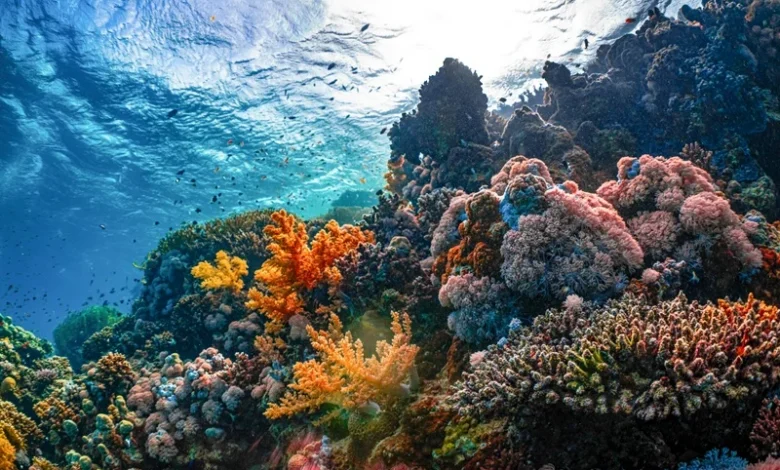
Beneath some of the world’s most colourful oceans, a quiet war is being fought with homemade bombs. Bomb fishing is one of the most destructive ways people catch fish, and it’s slowly turning living coral reefs into piles of broken rubble. The practice has been documented in at least 34 countries so far, from Lebanon and Libya to Brazil and Ecuador. That spread alone tells you this isn’t a small, local problem.
What Is Bomb Fishing, and Why Does It Still Happen?
The method is brutally simple. Fishers pack explosives into bottles, drop them into the water and detonate them. Every fish nearby, stunned or killed, floats to the surface and gets scooped up for the market. A single blast can wreck hundreds of square feet of reef in a matter of seconds. What was once a busy, colourful reef can end up looking like the surface of the moon, nothing but rubble and dead coral.
There’s a common assumption that only desperate, poor fishers do this. That’s not quite accurate. Boats, explosives and detonators aren’t cheap, so blast fishing tends to involve people with at least some money behind them, not the poorest in a community. And because patrol boats can’t be everywhere at once across such huge areas of ocean, offenders rarely get caught in the act.
How Scientists Are Catching the Sound of a Bomb
Here’s where it gets interesting. Researchers have started dropping underwater microphones onto the seafloor to record months’ worth of ocean sound. AI software that detects explosions then combs through that audio looking for the sharp, distinct signature of a blast.
What they found was telling. Blasts happen all year round, they peak in the mornings, and they drop off noticeably on Fridays in Muslim-majority coastal areas. Sound also travels much faster through water than through air, so a single hydrophone can pick up a blast from many kilometres away. That opens the door to something authorities have never really had before: an early-warning system for reefs.
Why This Matters for Coral Reefs Worldwide
- Reefs cover barely 1% of the ocean floor but support roughly a quarter of all marine life.
- Millions of coastal families depend on healthy reefs for fishing income and tourism jobs.
- Reefs act like natural sea walls, softening the force of storms before they reach the shore.
- Once an area is blasted repeatedly, the rubble left behind stops new coral from ever taking hold.
What Actually Helps
- Support open-source acoustic monitoring projects that give local authorities a way to detect blasts in real time.
- Push for consistent enforcement of laws that already exist, rather than waiting for new ones.
- Ask where your seafood comes from, especially when travelling.
- Back coral restoration efforts, but only once the bombing in that area has actually stopped.
Conclusion
Unlike bleaching caused by rising sea temperatures, bomb fishing is a crisis with a real, local fix. Stop the blasts, and coral reefs have a genuine chance to recover instead of staying in rubble forever. That’s rare good news in ocean conservation, and it’s worth acting on.
Coral reefs face a growing global threat.
Are Kelp Forests Disappearing Too Fast?
Check out why kelp forests are rapidly declining.
How Is UAE Helping Coral Reefs?
Find out how UAE labs protect coral reefs.
What Helps Coral Reefs Recover Faster?
Uncover what supports reef recovery after bleaching.
Why Are Reefs Collapsing Across Countries?
Track down how climate change drives reef loss.
How Widespread Is Coral Bleaching Today?
Reveal how severely coral ecosystems are affected.