FAO’s New Global Assessment Puts Soil Biodiversity Loss at the Centre of the Soil Health Crisis

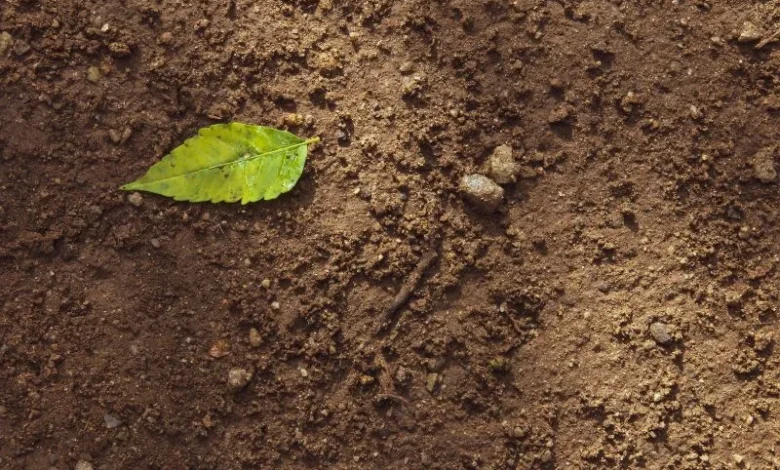
Most of us walk over soil every day and never think twice about it. But a new FAO global assessment has just put a number and a warning label on something scientists have suspected for years: Soil biodiversity loss, the decline of soil biodiversity is now one of the clearest threats to how well soil actually works. That’s not just a concern for large-scale farmers. It touches anyone who eats.
What the Assessment Actually Says
This report comes from the Global Soil Partnership and follows up on FAO’s first big soil review back in 2015. The headline finding isn’t comforting: over half of the regions studied around the world are managing their soil poorly, or very poorly. Biodiversity loss is now sitting right alongside erosion, shrinking organic carbon, and nutrient mismanagement as one of the main reasons soils are struggling.
To put the scale in perspective, soil is home to close to 59 percent of all species on the planet, and it underpins about 95 percent of the food grown globally. Since that first 2015 review, roughly 800 million more people have joined the planet, and farmland has expanded to feed them. All that extra pressure lands on a layer of earth that most people never really think about.
Why Losing Soil Life Matters So Much
Earthworms, fungi, bacteria, and countless other small organisms are doing constant, unglamorous work underground: cycling nutrients, filtering water, holding carbon in place. When their numbers drop, soil function suffers, and farmers often end up pouring on more fertiliser just to get the same results as before, which isn’t a fix, it’s a workaround.
A few things are driving this decline, according to the assessment:
- Heavy or careless use of agrochemicals and pesticides.
- Clearing forests and converting land without much planning.
- Soil compaction from repeated heavy machinery.
- Cities and towns spreading onto once-productive farmland.
- Poor irrigation practices leading to salt buildup.
Small Steps That Actually Help
None of this means individual action is pointless. There are practical, low-cost ways farmers, gardeners, and policymakers can respond:
- Rotate crops instead of planting the same thing season after season
- Add compost or organic matter rather than relying only on synthetic fertiliser
- Look into local soil-support programmes, like India’s Soil Health Card scheme or the EU’s Soil Strategy
- Try one of the mobile soil-testing apps now offered through agricultural extension services in many countries
- Keep some cover on the soil between growing seasons instead of leaving it bare
A Final Thought – Soil biodiversity loss
Soil biodiversity isn’t a side issue for environmentalists to worry about later. It’s the quiet infrastructure behind food security, and once it’s gone, it doesn’t come back easily. Look after the ground you stand on, because it’s already looking after you.
Track the latest climate changes.
Is Your Seafood Becoming Riskier?
Find how El Niño affects ocean pollution.
Why Are Heatwaves Getting Worse?
Check out the link between monsoons and El Niño.
What Happens During Super El Niño?
See the major weather changes ahead.
Could Food Prices Rise Soon?
Uncover how climate affects grocery costs.
How Will Weather Patterns Change?
Get to know this summer’s biggest climate shifts.