
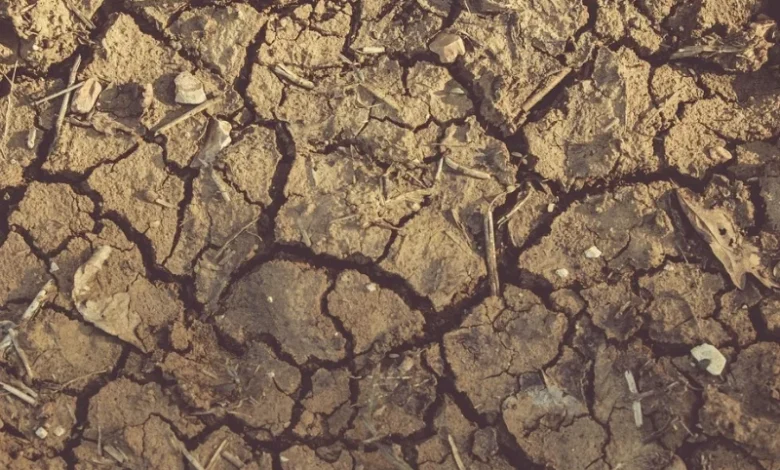
The timely provision of exact information through early warning systems has helped save many lives. The aim of the UN initiative “Early Warnings for All” is to acquire global coverage by 2027.
What Progress Is Observed?
The coverage of early warnings for all systems has improved since now many regions have means to receive warnings about hurricane and river flood. However, many communities are in lack of the respective alerts for very hot weather, flash floods and drought. The least developed countries and small island ones are the furthest behind in this respect.
What Obstacles Exist?
The inference of early warnings for all systems does not proceed further because of the insufficiency of meteorological data, problems of alerting people and bad local response plans. The technology alone does not suffice for the successful implementation.
What Is Needed for Full Coverage?
Proper funding, working state meteorological agencies and drills are required in order to make early warning systems work.The WMO tracks progress and highlights where investment is still missing.
More on Environmental News
What Were 2025’s Worst Disasters?
Review the events that showed both the value and the limits of warnings.
Can Power Grids Survive Heatwaves?
Learn how power grids cope with record heat.
Can Wildlife Cross Roads Safely?
See how wildlife bridges cut road deaths.