El Niño 2026 Update: Why This Weather Pattern Could Become the Strongest Ever Recorded

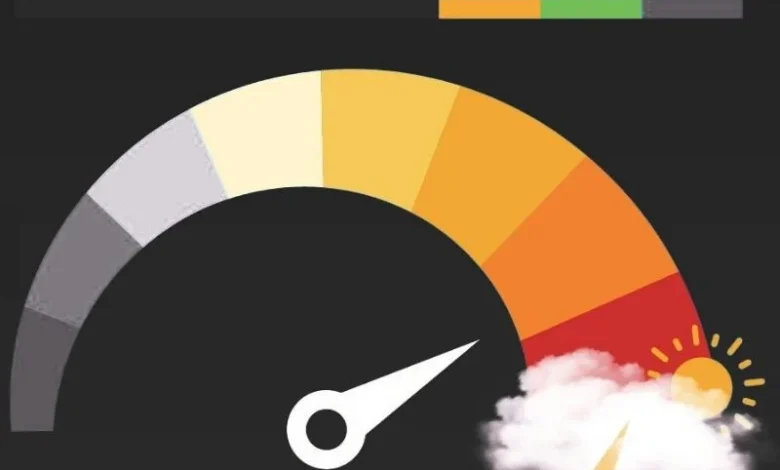
This week weather scientists are sounding an unusual alarm. The World Meteorological Organization says the El Niño event currently in progress is not letting up. Instead, it is strengthening and by early 2027 it may be the strongest version of this phenomenon ever measured. Record El Niño 2026, That forecast is not just a science headline for families from Lima to Lagos to Los Angeles. It could impact rainfall, food prices and everyday life for months to come.
What is El Niño?
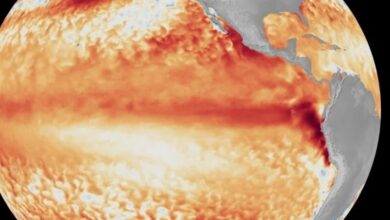
El Niño is a naturally occurring climate phenomenon that happens when the eastern Pacific Ocean warms up more than usual. It occurs about every two to seven years and typically lasts for less than a year. When it arrives it drives rain and heat into places unaccustomed to them, leaving other areas abnormally dry.
Ocean temperatures in key monitoring regions are already more than 2 degrees Celsius above normal this time, making this one of the strongest events since records began in 1950.
Why the WMO Is Worried This Time
The WMO says it is now almost 100 percent certain that El Niño will continue through February of 2027 for the first time. Such assurance is not often met with. Officials are calling it “supersized” and say global temperatures could continue to rise long after this year’s event peaks later this year.
Who is hit first by the extreme weather?
•Central America’s Dry Corridor farmers are already facing food shortages.
•Typhoons pose greater risk to the coast.
•Communities in Asia and the Pacific.
•Southern Africa and parts of Australia are likely to be drier.
•Southern Europe and Central Asia could be wetter than average.
How People Can Do This in Practice
•Don’t just follow social media; follow local meteorological department official updates.
•Farmers should consider drought-tolerant seed varieties if dry conditions are forecast.
•Flood-risk households should check evacuation routes and emergency supplies.
•Small businesses dependent on crops like coffee or cocoa should keep a close eye on supply chains.
•Residents should be aware of heat advisories during peak months.
Not a Local but a Global Issue
The difference in this event is the reach. It’s not just a local Extreme Weather anomaly. It affects the cost of food in the grocery store, insurance rates and even shipping lanes in the Panama Canal and other water routes, where low water levels have already forced traffic to be rerouted.
Conclusion – Record El Niño 2026
El Niño is getting worse, and it’s a reminder that global weather is interconnected and no country is an island in the face of change. Some basic but effective ways to reduce risk include staying informed through trusted weather agencies, preparing basic emergency supplies, and supporting local early-warning systems. The best response to an uncertain climate is calm, sensible preparedness, not hysteria.
Track the latest climate changes.
Is Your Seafood Becoming Riskier?
Find how El Niño affects ocean pollution.
Why Are Heatwaves Getting Worse?
Check out the link between monsoons and El Niño.
What Happens During Super El Niño?
See the major weather changes ahead.
Could Food Prices Rise Soon?
Uncover how climate affects grocery costs.
How Will Weather Patterns Change?
Get to know this summer’s biggest climate shifts.