Methane Cuts: Why Fast Action on This Powerful Greenhouse Gas Is Key to Keeping Global Warming Well Below 2°C

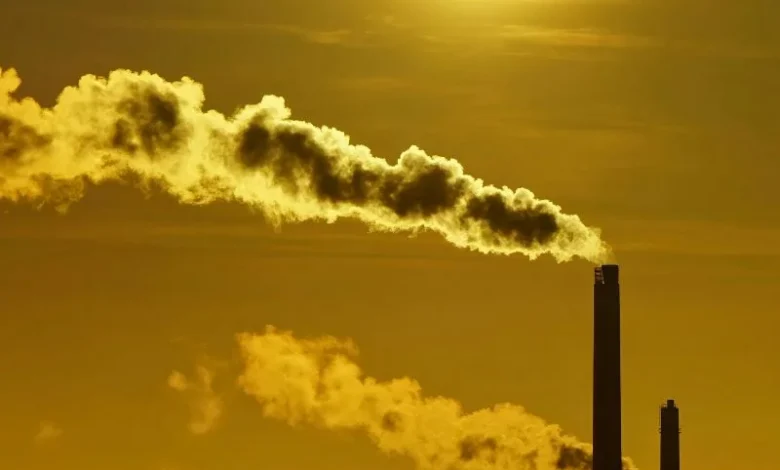
Everyone talks about carbon dioxide when climate change comes up, and fair enough, it’s the biggest problem. But there’s a second gas doing a lot of quiet damage that rarely gets the same spotlight: methane. methane emission cuts, It’s the second largest contributor to human-caused warming, and a new study makes something pretty clear. Even if countries somehow hit every net-zero CO2 target they’ve promised, the world could still blow past the 2°C limit if methane isn’t dealt with too. That’s not just a policy problem for governments. It touches farmers, city residents, and everyday consumers, no matter where they live.
Why Methane Behaves So Differently From CO2
Here’s the strange part about methane. It’s a far more aggressive heat-trapper than carbon dioxide, ton for ton, but it doesn’t stick around nearly as long. CO2 lingers in the atmosphere for centuries. Methane fades out after a few decades. That short lifespan is actually one of the few genuinely hopeful facts in the whole climate story, because cutting methane emissions now produces a cooling effect almost immediately, instead of decades later like CO2 cuts do.
So where does all this methane actually come from? Mostly three places:
- Cattle, sheep, and rice paddies
- Leaky oil, gas, and coal infrastructure
- Landfills and poorly managed waste sites
Why Tough Methane Cuts Really Matter for the 2°C Target
A study published in Communications Earth & Environment looked closely at this and found something worth paying attention to. Under the most ambitious net-zero pledges currently on the table, if methane is left alone, peak global warming still climbs past 1.85°C. That’s uncomfortably close to breaching what the Paris Agreement was built to prevent. The researchers’ point is simple: CO2 targets by themselves aren’t enough anymore. Methane needs its own separate, measurable goals instead of being folded into fuzzy “CO2 equivalent” math that hides how urgent the problem is.
What Countries Are Actually Doing About It
Over 150 countries have signed onto the Global Methane Pledge, committing to a 30 percent emissions cut by 2030 against 2020 levels. In practice, that’s shown up as stricter gas flaring rules in some places, incentives for farmers switching to lower emission feed, and money going into capturing gas from landfills. But how well any of this is actually enforced varies a lot from one country to the next, and gaps are still common.
How Methane Eats Into the Carbon Budget
There’s a knock-on effect people don’t always realise. Research into the remaining global carbon budget shows that every tonne of methane left unaddressed quietly shrinks how much CO2 the world can still afford to emit elsewhere. So weak methane policy doesn’t just fail on its own terms, it makes every other climate effort harder too.
A Few Practical Things Worth Doing
- Back local composting and waste reduction efforts where you live.
- Look for energy providers that are transparent about methane leaks.
- Support policy that rewards farmers for cleaner livestock practices.
- Keep up with credible climate reporting rather than headlines alone.
- Ask local representatives to push for methane-specific targets, not just CO2 promises.
Conclusion – methane emission cuts
Methane alone won’t solve climate change, nobody’s claiming that. But without serious, fast, targeted cuts to it, the 2°C goal starts looking out of reach no matter how well CO2 efforts go. Pairing steady carbon dioxide reduction with genuinely tough methane action is still the most realistic shot the world has at a safer climate.
Track the latest climate changes.
Is Your Seafood Becoming Riskier?
Find how El Niño affects ocean pollution.
Why Are Heatwaves Getting Worse?
Check out the link between monsoons and El Niño.
What Happens During Super El Niño?
See the major weather changes ahead.
Could Food Prices Rise Soon?
Uncover how climate affects grocery costs.
How Will Weather Patterns Change?
Get to know this summer’s biggest climate shifts.