Paradise for Sale: What Sazan Island Teaches the World About Protecting Coastlines from Celebrity Tourism
Sazan Island Tourism highlights how celebrity-backed resorts reshape protected coastlines, raising concerns over conservation and local communities.

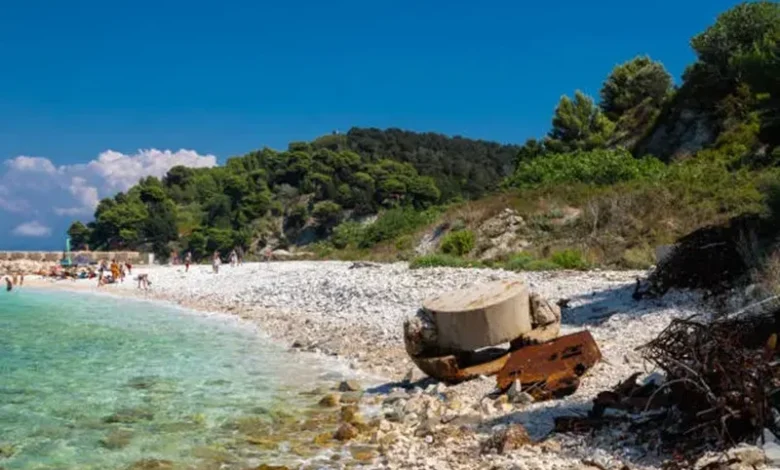
A quiet, once-forbidden island off Albania’s coast has suddenly become a global talking point. Sazan Island sits inside a protected marine park, yet it is now the site of a proposed 1.4 billion euro luxury resort backed by high-profile foreign investors. The story of Sazan is no longer just about one island. It is becoming a playbook for how celebrity tourism projects are reshaping coastlines that were once considered untouchable.
Why Sazan Island Matters Beyond Albania
For decades, Sazan was closed off, first as an Italian military base and later as a Cold War outpost. Its isolation protected rare birds, wild coves and untouched marine life. That isolation is exactly what now makes it attractive to developers. Once government approval was granted through Albania’s Strategic Investment Committee, the project moved quickly, with expedited permits and tax incentives that many local environmental groups say bypassed proper public consultation.
This pattern is not unique to Albania. Coastlines in Greece, Indonesia, the Maldives and parts of the Caribbean have faced similar pressure when a single high-profile investment brings fast approvals, foreign capital and international attention, often before local communities fully understand what is changing.
The Protected Coastline Dilemma
Marine parks like Karaburun-Sazan exist to protect fragile ecosystems, not to host marinas and villas. Yet governments under economic pressure often see luxury resorts as an easy way to attract jobs and investment. In Albania’s case, officials have promised around 1,000 jobs and a boost to national tourism revenue. Critics argue that short-term construction jobs rarely offset long-term ecological damage and that local fishing and small tourism businesses are often pushed out once large resorts arrive.
What Coastal Communities Can Learn From Sazan
Communities living near protected coastlines elsewhere can use Sazan as an early warning sign. A few practical steps worth following:
- Ask local authorities whether any nearby marine park or reserve has been granted “strategic investment” status.
- Attend public consultations before permits are finalized, not after
- Support fishing and small business cooperatives that document environmental baseline data
- Follow independent environmental groups rather than developer press releases for updates
- Push for transparency on foreign investment deals affecting shared natural resources
A Practical Conclusion
Sazan Island is a reminder that protected coastlines are rarely protected forever once a big enough investor arrives. The lesson for readers anywhere in the world is simple: environmental protection on paper is only as strong as the public attention behind it. Communities that stay informed and vocal early have a far better chance of shaping how their coastline develops, rather than reading about it after the deal is already signed.
One-line takeaway: Before your coastline becomes the next Sazan Island, ask who is really deciding its future.
More stories on rising urban heat.
Why Are Hot Nights Riskier?
Uncover the hidden health risks.
Why Is India Heating Faster?
Check out the latest heat data.
What’s Driving Mumbai’s Heat Rise?
Find the key urban factors.
Which Hyderabad Areas Stay Hottest?
Browse the city’s heat hotspots.
How Is Climate Reshaping Communities?
Dive into the changing landscape.