Geological Milestone: Ancient Zircon Discovery Puts India at the Forefront of Earth’s Origin Research

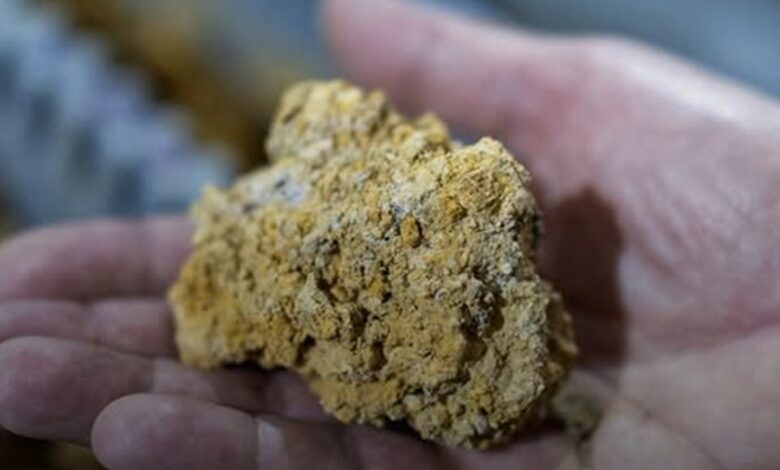
Deep in the soil of eastern India is evidence of a story older than just about anything else on the planet. Odisha’s Singhbhum craton has yielded a geological milestone with scientists discovering minerals dating back to nearly 4 billion years ago from ancient zircon grains. The discovery is being hailed as a major step forward for India at the forefront on how the Earth itself began.
Why This Geological Milestone Is Important
Zircon is a small, unglamorous mineral, but it has an outsize role in Earth science. It can withstand extreme heat, pressure and billions of years of geological activity without falling apart and so is one of the few dependable records of what our planet looked like in its earliest days.
Researchers use zircon crystals to learn:
•When the first liquid water formed on the surface of the Earth.
•When the slow shifting of Earth’s outer crust, plate tectonics, began.
•What was the atmosphere and crust like billions of years ago?
•And if there were environments on early Earth that could support life.
•Such data is so rare that each new zircon discovery is a true landmark, and this one is no exception.
How discovery puts India on the front foot in research
For decades, the world’s picture of Earth’s earliest crust was drawn from just a few locales, with Australia’s Jack Hills region leading the way. India’s Singhbhum craton is changing that picture. The region has been identified by researchers to contain detrital zircon grains that are 3.95 to 2.9 billion years old, as well as a dacite rock that is 3.505 billion years old, making it one of the oldest greenstone sequences in the country.
In another development, teams close to Champua in Odisha’s Kendujhar district have identified the oldest zircon crystals ever found on Indian soil, adding to a body of evidence already gathered from Australia. The scientists involved have said that studying oxygen isotopes in these zircons could offer important clues as to whether liquid water was present on Earth in its first few hundred million years.
This is precisely the reason why the finding is a milestone. “Now we have an independent dataset from India that scientists from all over the world can compare existing theories with, rather than relying almost exclusively on evidence from one or two countries.
Quick List: What Sets This Discovery Apart
•Age: Crystals are nearly 4 billion years old.
•Location: Located in the Singhbhum craton, Odisha, a stable and ancient rock formation.
•Global significance: Places India in the shortlist of countries with the oldest surviving materials on earth
•Research value: Understanding of early water and crust formation and plate movement.
•National significance: Elevates India’s position in the global origin of Earth research.
More Climate Stories Worth Reading
Can Extreme Heat Harm Hearts?
Check out the latest health findings.
Why Protect Biodiversity Hotspots Today?
Find nature’s strongest climate allies.
What Climate Effects Go Unnoticed?
Uncover hidden impacts on daily life.
Where Learn Climate Change Better?
Browse trusted guides and resources.
How Serious Is Bangladesh’s Flood Risk?
Look into rising climate threats.
What It Means Moving Forward
This discovery is a source of true pride for students, researchers and science-curious readers. These results are still under investigation by organizations like the Geological Survey of India, the Indian Statistical Institute, Kolkata, etc. For readers who want to know the authenticated updates, the peer-reviewed publications of these organizations are still a source.
Conclusion
This zircon discovery is more than a scientific curiosity hidden in the soils of Odisha. It’s a geological milestone that gives India a real seat at the table in the global effort to understand how Earth began. As research continues, these ancient crystals may carry the answers to questions scientists have been asking for decades.Now India is helping the world unearth the oldest secrets of the Earth, which could be lying in Odisha.