Solar Geoengineering Explained: Could Spraying Aerosols Into the Sky Cool the Planet?
Scientists debate Solar Geoengineering as a climate tool to cool Earth. Learn how it works, risks and global impact.

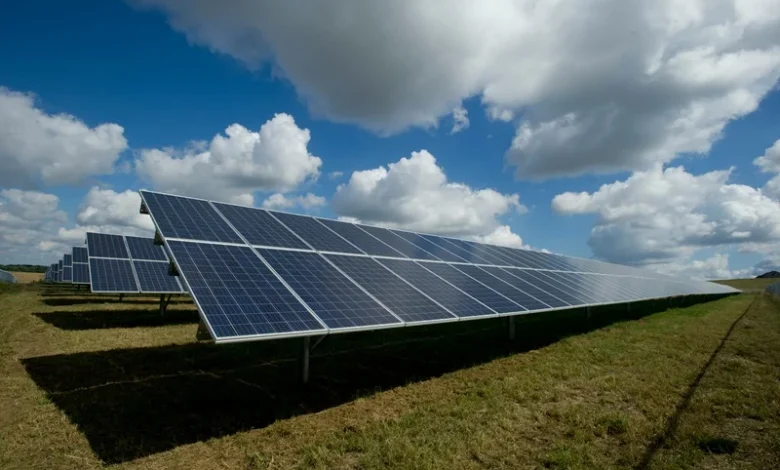
As heatwaves stretch on and summers shatter records, some scientists are raising a bold question: What if we could intentionally shade the sun a bit? That notion is at the core of solar geoengineering, a suite of technologies that promise to reflect sunlight back into space. The most studied form, stratospheric aerosol injection, involves spraying tiny particles high in the atmosphere to produce a cooling effect like a volcanic eruption.
What the Hell Is Solar Geoengineering?
Solar geoengineering, or solar radiation management, is not a substitute for reducing carbon emissions. This is about buying us time by reflecting sunlight back into space before it heats up the Earth’s surface. Think of it as a planetary sunshade, not a cure for the root cause of climate change, which is greenhouse gas emissions.
How Stratospheric Aerosol Injection Works?
The idea is taken directly from nature. In 1991 the eruption of Mount Pinatubo in the Philippines spewed large amounts of sulfur dioxide into the stratosphere. That sulphur became little reflective particles and the planet cooled by about half a degree Celsius for over a year.
The effect is now something scientists want to engineer deliberately by using aircraft, high-altitude balloons or even artillery to release similar particles at an altitude of about 20 kilometres above the Earth. Once there, the particles scatter sunlight and reduce the heat coming to the ground. Unlike a volcanic eruption, this procedure could in principle be repeated and refined over time.
Why Interest Is Increasing Now
Funding for this research has increased steeply in the last year. In the UK, public bodies have pledged tens of millions of pounds to research solar radiation management, while private companies have started to attract investment to develop the technology. As climate tipping points loom closer, some scientists say it is time to consider all options—even controversial ones.
The Risks No One Can Ignore
•Ozone damage—Sulfur particles can eat away the ozone layer that protects us from UV rays.
•Rain disruption—Changes in the way sunlight strikes the Earth could alter monsoon patterns that farmers rely on.
•Uneven effects—Some regions may benefit, while others, including some areas in Africa and Indonesia, could see crop productivity decrease.
•Governance gaps—There is no global rulebook on who gets to deploy this technology, or who is accountable if something goes wrong.
•The “termination shock”: If we cut it off suddenly after years of use, the temperatures might soar rapidly.
African environmental and youth groups have already loudly opposed it, highlighting ecological and geopolitical risks that a few rich countries should not be allowed to decide alone.
A Global Conversation, Not a Global Survey
For the average reader, whether a farmer in Southeast Asia or a city dweller in Europe, the most important thing is that solar geoengineering is still experimental, not globally regulated, and not something any one country can safely do on its own. Its effects would spill across borders, whether neighboring countries agreed or not.
Conclusion
Solar geoengineering provides a tempting fast-forward button to a cooler world, but it also comes with scientific uncertainty, ecological trade-offs, and unresolved questions about global governance. It is not a substitute for emission reductions, only a possible, risky add-on. Understanding this technology today is important because decisions being debated now could shape weather, farming and health around the world for decades to come.
Understand today’s biggest climate risks.
Why Are Mountains Heating Faster?
Find what’s driving rising mountain heatwaves.
Are Coastal Heatwaves Getting Worse?
Uncover why cities face greater heat risks.
Why Are Power Bills Rising?
See how heatwaves increase energy costs.
Can Heatwaves Disrupt Air Travel?
Check out the growing aviation challenges.
Can AI Cut Methane Emissions?
Explore how technology is fighting pollution.