Why Are Heatwaves Becoming More Common in Mountain Regions
Discover why heatwaves in mountain regions are increasing due to climate change, glacier melt, and rising temperatures, and their impact on nature today.

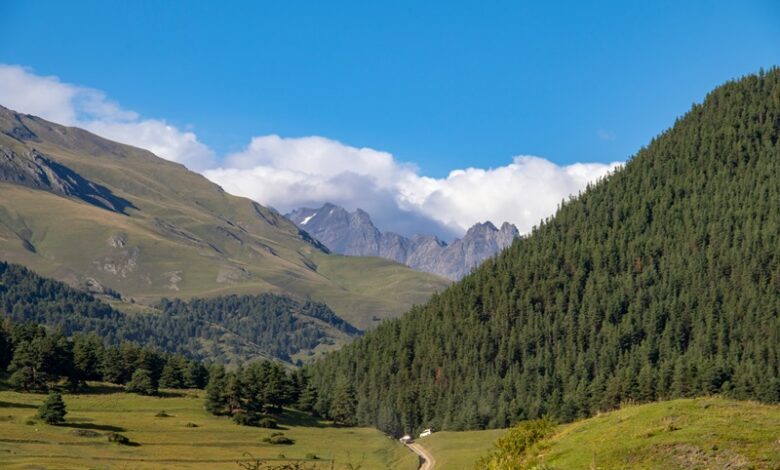
In the past, mountainous regions are known for cooler climates but nowadays they are witnessing more common heatwaves and unexpected temperatures. In a result of increasing temperatures across the globe, the weather in the mountains is changing causing temperatures to increase as well even in the peaks. This is impacting glaciers, flora and fauna, water supplies and communities living in the regions.
Reasons why temperatures in mountainous areas are rising:
1. Global warming
The world is suffering from climate change, which results in the higher temperatures all over the world including mountains.
2. Rapid Changes in Peaks
The mountains get warmer much quicker than the surrounding lowlands which is called elevation-dependent warming.
3. Foehn Effect
Snow reflects sunlight and when the snow and glaciers melt, more land absorbs heat which causes a temperature rise.
4. Changing Weather Patterns
Changes in the circulation of the atmosphere can result in long periods of hot weather in mountainous regions leading to the appearance of heatwaves.
Stay ahead with more climate insights and expert discoveries.
Why Do Biodiversity Hotspots Matter?
Check out how nature helps fight climate change naturally.
How Do Scientists Trace Climate Disasters?
Find how attribution science connects disasters to climate change.
Why Is Karachi Facing Rising Risks?
Uncover why climate threats are growing across the city.
Can Climate Change Harm Your Heart?
Get to know how extreme weather affects cardiac health.
Why Are Monsoons So Unpredictable Now?
Dive into how climate change is reshaping seasonal rainfall.
Conclusion
Due to the increase in global temperatures, accelerated warming in higher altitudes, and a decrease in snow and ice, the frequency of occurring heatwaves in mountain areas is increasing. In light of climate change, it is necessary to take measures to safeguard mountain ecosystems and enhance climate resilience for the benefit of both local communities and people downstream.
FAQs
Q: Are mountains warming faster than some lowland regions?
A: Certain regions of the mountains show increase in temperature depending on de elevation, consequently experiencing stronger warming in higher altitudes.
Q: What happens due to heatwaves in relation to glaciers?
A: Meltwater production increases under the influence of heatwaves.
Q: Why does glacier melt matter?
A: Because glacier melting can affect water supplies, increase flood risks in the short run and decrease river flow in the long term.
Q: Is there any connection between heatwaves and wildfire risk in mountains?
A: Definitely. High temperatures and lack of moisture make forests more susceptible to wildfires.