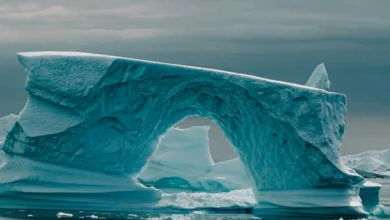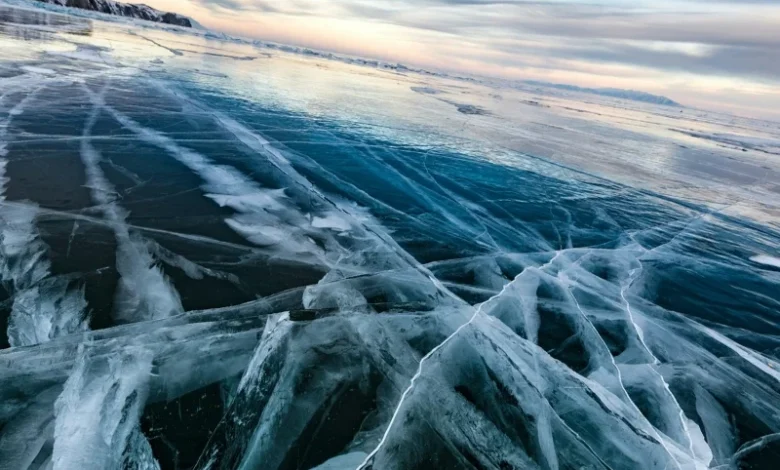
Lakes have begun to freeze later and thaw earlier (lake ice loss) which means that the average length of time ice is around for has dropped by 31 days over the course of 165 years affecting more than a billion people who reside near lakes that freeze up annually.
How fast is the change taking place?
Going back through time, we see that annually the formation of ice is taking place 11 days later and melting occurring seven days early, while the implications of the freezing ice (lake ice loss) process have grown sixfold during the last 25 years. Even priests at Lake Suwa in Japan were making notes about the ice covering the lake from 1443 onwards.
Which Lakes are losing ice?
In the Northern Hemisphere there were about 15,000 lakes that once used to freeze every winter have been freezing less and less over the last two centuries, while at least 5,700 of them will be losing ice cover over the course of this century.
Why is it important?
The melting ice changes the process of mixing and algal blooming; it adds carbon dioxide to the atmosphere and increases evaporation at the regional level. In addition, the melting threatens fishing, drinking and other uses of water, adding to pressure on inland waters and public health.
Related Reads
Why Is Red Snow Melting Glaciers?
Discover how glacier algae speed up melt.
Are Emperor Penguins Losing Their Ice?
See how vanishing sea ice threatens colonies.
What Were 2025’s Worst Disasters?
Review the major environmental disasters of 2025.