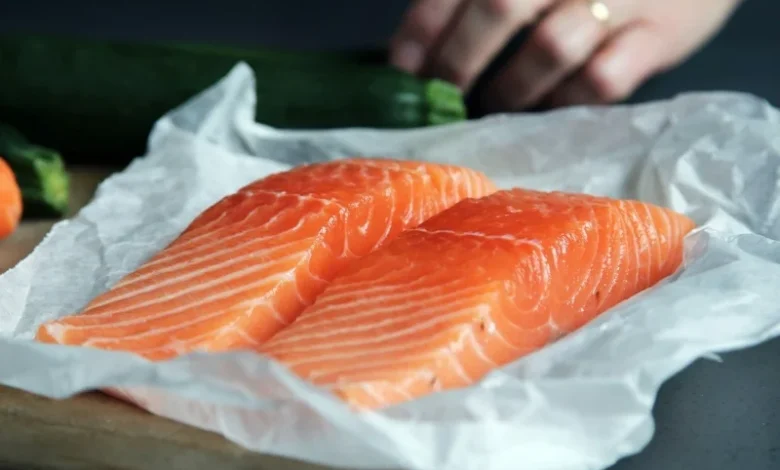
According to the NOAA, the abundance of wild salmon has significantly decreased in several areas including the Yukon River, which used to yield more than one hundred thousand fish each year until the years of unsuccessful salmon runs that are 2024 and 2025.
What Are the Causes of the Decline?
NOAA claims that the fall of the fish population specially wild salmon in the Yukon River is associated with the marine heatwaves that took place between 2013 and 2020, after which adult runs witnessed their biggest drop in history.
Is It All about Heat?
SFU scientists assert that hatchery pink salmon, whose number is unprecedentedly high at the moment, bring more competition for food while heatwaves lead to its reduction but increase the demand for salmon’s energy. Other issues include damming and habitat destruction.
What Could Be Done?
The Indigenous people living in the area of the river depend on salmon for food and cultural needs, while the seven-year agreement in Yukon enables assessment and research on the health of Chinook fish. Scientists specify that it is not bycatch that is the leading factor behind the decline but warming, which means that preventing emissions and conserving cool inland waters will help save endangered species.
Related Reads
Why Are Jellyfish Blooming?
See how jellyfish blooms are linked to a changing ocean.
Are We in a Mass Extinction?
Find out if the sixth mass extinction has already begun.
Is Deep Sea Mining Safe?
Explore the environmental risks of mining the ocean floor.