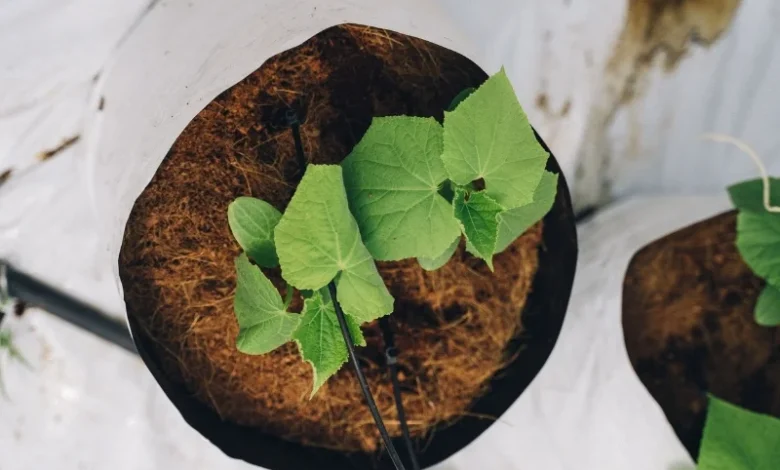
‘The use of peat-based compost is detrimental for climate because peatlands literally capture carbon, as the extraction of peat for peat-free gardening releases carbon back into the atmosphere.
What Is the Harm of Peat?
Peatlands are the biggest carbon sink in the UK, but only a small proportion of them is still in a natural state. According to the figures published by the Wildlife Trusts, the impact of peatland degradation is around 4% of annual carbon emissions in the UK.
What Is the Status of the Ban?
In 2022, the authorities in England declared their intention to stop selling peat for peat-free gardening by 2024. However, no legislation has been enacted by May 2026. New voluntary restrictions have also failed as the amount of peat used decreased by about 25% from 2011 to 2019. Some companies, such as Co-op and B&Q have already stopped using peat in their bagged products.
What Are the Ways for Gardeners?
There are numerous peat-free (peat-free gardening) products on the market, and the RHS announced its “no new peat” policy in January 2026. It is important to keep the soil in its healthiest state because healthy soil cannot exist without its microbiome, and it is crucial that genuine accounting is done in order to attract investors for carbon markets peatlands protection.
You May Also Like
How Do Green Roofs Cool Cities?
See how green roofs cut energy bills.
Are City Parks Good for Health?
Discover the city parks and their benefits.
Can Markets Pay for Nature?
Explore whether biodiversity credits can fund conservation.