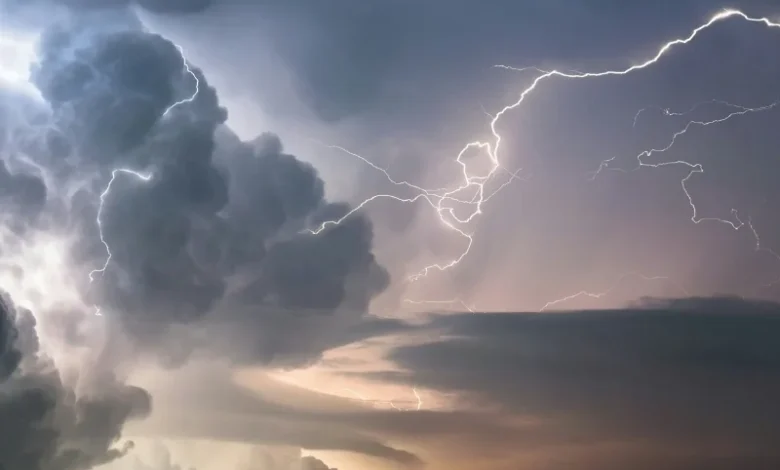
Stalling Hurricanes produce more precipitation when they travel at slow speeds, and NOAA scientist Jim Kossin determined that the forward speed of tropical cyclones declined by about ten percent from 1949 through 2016.
Why is Speed Important?
Local precipitation can be expressed in the combustion rate for the added rainfall and the inversely correlated speed of the storm. For example, stalling hurricane speed in the North Atlantic decreased by 17 percent between 1944 and 2017 along with a stall in the movements of Harvey, Florence, and Dorian.
Can Increased Temperatures be Held Responsible?
For some reasons, the answer isn’t entirely straightforward. Two papers published in 2019 made inferences regarding the findings presented by Kossin, suggesting that the climate slowdown couldn’t be directly related to climate change. Climate change does seem to increase the amount of rainfall (stalling hurricanes) in any case: for instance, World Weather Attribution found that Helene increased rainfall rates by ten percent or so.
What are the Implications?
Warming air by one degree Celsius allows holding about 7 percent of moisture more, meaning that storms, even if they are properly moving, will still be generated. Warnings about potential weather problems make a difference when it comes to threatened communities, while the warming ocean will generate more storms.
Related Reads
Why Do Coral Reefs Matter?
Learn what coral reefs do for the ocean.
Is Extreme Heat a Health Crisis?
See why it is hitting public health worldwide.
Can Power Grids Survive Heatwaves?
Learn how power grids cope with record heat.