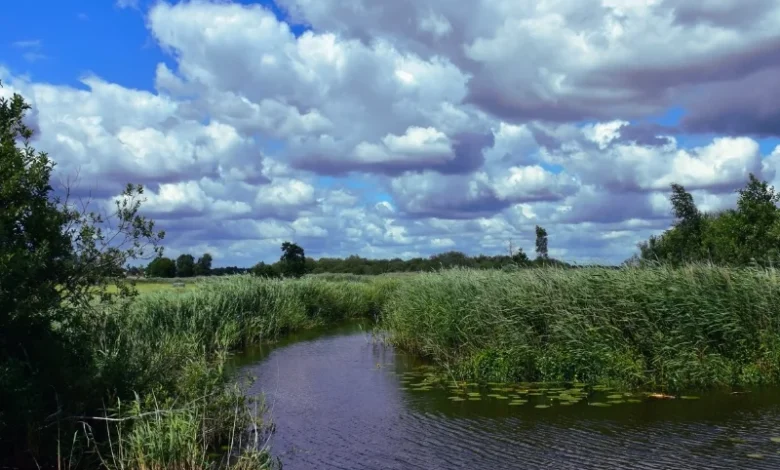
The lakes, ponds, and reservoirs (inland waters) are known as emitters of carbon gas, but they are also its storers: their sediments bury roughly 0.15 billion tons of carbon per year, which is approximately one-fifth of their emissions.
Why Are Ponds So Exceptional?
Small ponds (inland waters) bury carbon in a very short time. Experimental ponds bore 67 grams of carbon in one square meter per year, which is about two times more than the average across all lakes and equal to the average found across wetlands, and the scientists conclude that the actual global sink may be underestimated.
Source or Sink?
Ponds can be both. Ponds smaller than five hectares can contribute 14 to 17 percent of the carbon gas emissions in their class of sizes, but yet they are usually excluded from big calculations.
Why Does It Matters?
The budgets that omit small water bodies do not account for emissions and burial simultaneously. In fact, burial increases with nutrient pollution and damming, which is documented in our reports on dams in hydropower and peatlands.
Read more Climate and Nature Changes
What is the hidden cost of fertilizer?
Read about nitrogen pollution from farming.
What is the water footprint of everyday things?
See the water footprint of common products.
Why are seas running out of oxygen?
Read about ocean dead zones.
Are coral reefs on the brink?
See what mass bleaching means for the ocean.
Are Himalayan glaciers melting?
See what it means for South Asia’s rivers.