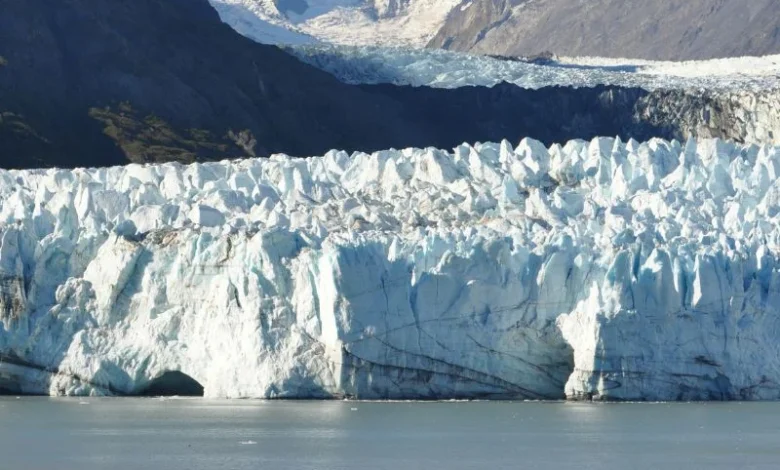
Outside of both polar regions, the Himalayas account for the greatest proportion of ice. Himalayan glaciers melting, A report from ICIMOD from March 2026 stated that ice loss nearly doubled since 2000, which threatens the water systems in South Asia.
How Quickly Is Ice Being Lost?
- Area: About 12 percent of total glacier area vanished between 1990 and 2020.
- Thickness: Ice has thinned up to 27 meters since 1975.
- Hotspots: More than 74 percent of glaciers are in the Indus, Ganges and Brahmaputra basins, which lost 6, 21 and 16 percent of their area.
Who Relies on Glaciers?
Glaciers supply water to 10 major river systems, supporting almost 2 billion people. In the Indus, Ganges and Brahmaputra basins, 129 million farmers depend on runoff from snow and ice. Larger glaciers (> 10 sq. km) contain almost 40 percent of the total water reserves of this region.
What Is Peak Water?
Peak water is similar to peak oil in that it signifies the peak production of a resource. Experts expect that water levels will peak around 2050, but will return to levels similar to those of 2100.
Why Floods and Shortages? – Himalayan glaciers melting
Rapid liquefying of ice can cause floods now, while decreasing water supplies in the future. Small glaciers are melting faster now.
Stay informed on nature’s biggest global events
How Do Communities Fight Drought?
Meet the volunteers in Hungary building their own dams.
Is Food Security at Risk?
See how climate change threatens the food supply.
What Were 2025’s Worst Disasters?
Read about 12 major environmental disasters.