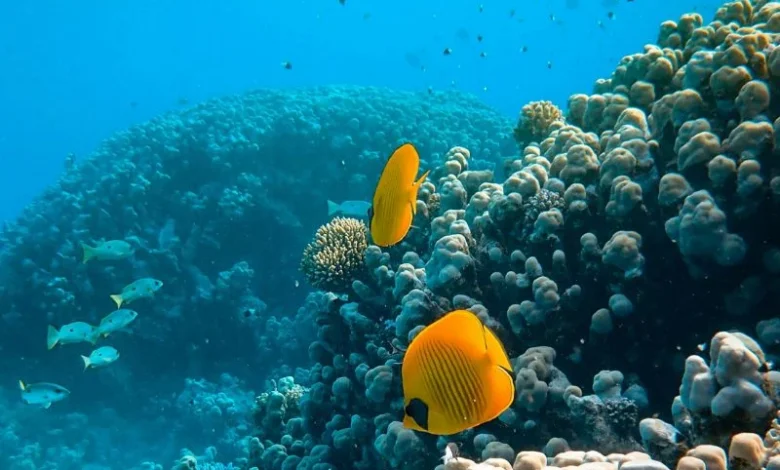
The unfortunate truth is that, in history, coral reefs have experienced the worst bleaching period on record. Between early 2023 and mid-2025, coral reef bleaching, heat stress caused bleaching in 84% of the world’s reef area.
What is Bleaching of Coral?
Bleaching is an effect of stress due to high temperatures. Bleaching occurs when coral fabric breaks down through coral mortality.
How Serious Was the Problem?
- Record levels – The old record was 68 percent bleaching in 2014-2017. The trend of increase – The previous records were 21% in 1998 and 37% in 2010.
- Massive geographical reach – approximately 80 countries and territories have experienced coral bleaching at a high level of bleaching.
- New level declared – NOAA announced Level 5 state of bleaching indicating a loss expected above 80%.
Was this the End?
According to NOAA, the bleaching event has probably already ended since its traces disappeared from the waters in the summer of 2026. However, the water is warmer now than it was 25-30 years ago, which means the new phenomenon of almost annual coral bleaching might be expected.
Why Is It Important? – coral reef bleaching
The fate of more than 1 billion people depends on corals.Warm-water reefs are among the most vulnerable ecosystems, says the 2025 Global Tipping Points Report. Scientists observed widespread mortality in areas of the Caribbean, Red Sea and Great Barrier Reef.
Stay informed on nature’s biggest global events
How Strong Is This El Niño?
Check the latest forecast odds.
Is Extreme Heat a Health Crisis?
See why heat is now a health crisis.
What Were 2025’s Worst Disasters?
Read about 12 major environmental disasters.