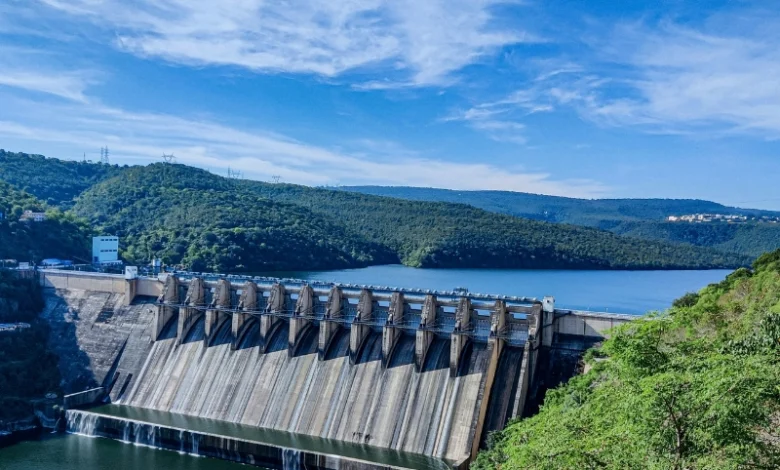
Hydropower dams contributes approximately sixteen percent of total electricity produced on Earth, meaning it is the largest source of renewable energy globally. However, the construction of dams significantly changes rivers, while climate change also influences hydropower energy production.
What is the Environmental Price?
Hydropower Dams prevent fish from migrating, flood their habitats, and change the flow of water in rivers. The construction of dams is one of the reasons for the loss of freshwater biodiversity, the second reason being climate change, while more than 18,000 megawatts of hydropower capacity was developed during the year 2025.
How Clean Are Reservoirs?
The decomposing plants in reservoirs produce methane, as methane emissions reach the highest level as soon as construction is complete. However, there is an estimate of reservoirs’ contributions to greenhouse gases emissions of about 1.3 percent, with figures very diverse.
Do Droughts Help?
Droughts also reduce the volume of electricity produced. In fact, the dam of Lake Powell is producing about 50 percent less electricity than it was doing in the 1990s.
Read more Environmental Changes
Can panels on water power the future?
Find out how floating solar could work.
Is nuclear power part of the solution?
Weigh the case for nuclear energy.
What is the hidden cost of battery metals?
Read about lithium mining.
Are Himalayan glaciers melting?
See what it means for South Asia’s rivers.
Should we dig up the ocean floor?
Weigh the risks of deep-sea mining.