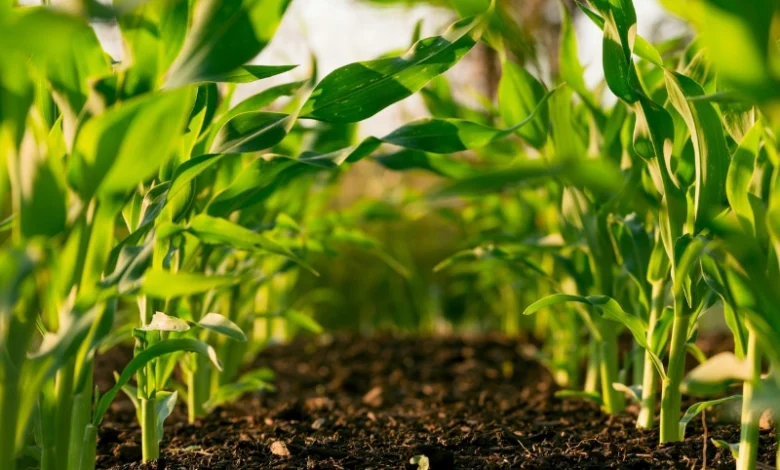
By employing cover crops, reduced tillage, and residue retention, regenerative agriculture focuses on restoring soil. After conducting a meta-analysis of 5,709 paired observations across 506 locations, it was determined that the above practices will not adversely affect soil carbon or crop yield.
What Is the Role of Soil Carbon?
Regenerative agriculture needs healthy soil serves to store nutrients, water, and carbon according to our detailed report on soil degradation. No-till provides an average of about 0.3 — 0.5 tonnes of carbon for each hectare of land every year, although the progress might stagnate after ten years or so.
Where Is the Evidence Lack of Strength?
A ten-year German trial demonstrated the capability of regeneration through organic farming techniques to enhance the top layer of soil carbon, although there were limited results at depth. In addition, a review of cover crops research established that there were only six successful experiments out of 37 and that the average gains were way less than expected.
Can It Be Trusted?
If tilling is resumed, carbon will be lost. In addition, it is estimated warming will reduce the ultimate carbon storage on average by 20–30 percent within decades. Thus, regenerative farming should be regarded as a way of improving soil health and resilience, not as a quick fix for emissions.
You May Also Like
Can growing food indoors help?
Weigh the pros and cons of vertical farming.
Is food waste a climate issue?
See how food waste adds to climate change.
Is India’s monsoon changing?
Read how climate change is reshaping the monsoon.
Is the Amazon near a tipping point?
Learn how close dieback really are.
Why are kelp forests disappearing?
See what threatens the ocean’s underwater forests.