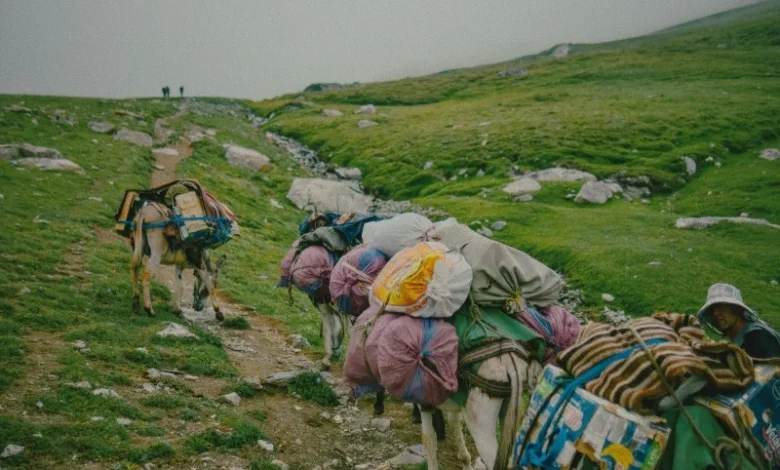
Warming is driving mountain species into uphill migration up the slopes of mountains by approximately eleven meters every ten years based on a 2011 study.
How Quickly Are They Moving?
In the Alps, the movement of plants and animals and fungi takes place between 18 and twenty-five centimeters over the course of fifty years; however, most of the organisms cannot reach the target altitude of 60 to 70 meters needed to retain their native climate. The case of birds and ferns who are doing uphill migration, a mere 15 meters is a particular example in this regard.
What is Happening at the Peak?
According to the study conducted by UBC involving 975 populations, the species residing on the mountain peaks are able to move uphill ( uphill migration) by merely 100 meters toward every increase by one degree Celsius, which leads to a reduction in the range of their habitat. The pocket gopher of Nevada is considered to be one of the most affected species, losing 70% of its habitat in some of its cases; however, in some rare cases, other organisms like sparrows can move downhill.
Can They Continue Their Climb?
Species climbing up from below might win out against alpine plants. Melting peaks and glacier algae are changing mountain life and adding to concerns about the sixth mass extinction, so reducing emissions and maintaining habitat connectivity matter.
You May Also Like
Which Species Are Recovering?
Meet the top ten endangered species making a comeback.
Is the Amazon Near a Tipping Point?
Learn how close diebacks really are.
Is Extreme Heat a Health Crisis?
See why it is hitting public health worldwide.