How to Check the Climate Risk of a House Before You Buy It
Climate Risk House Check helps buyers assess floods, storms, heat, drainage, insurance costs and property safety before purchasing wisely.!

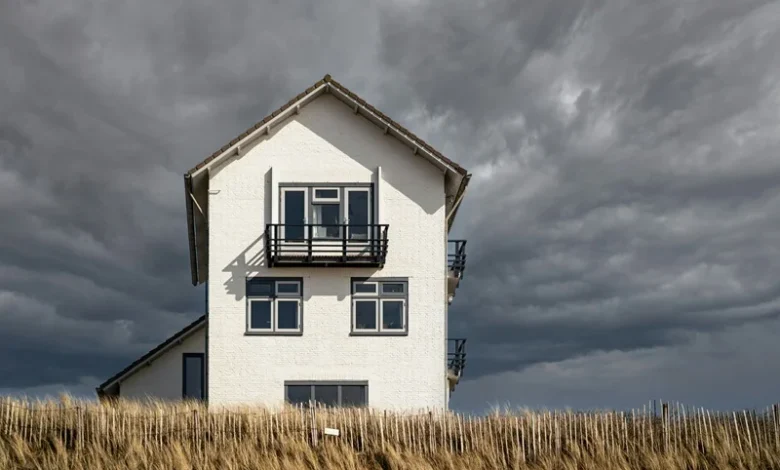
Buying a home is one of the biggest financial decisions you’ll make. While buyers often consider price, location, and amenities, it’s also important to evaluate climate risk. Flooding, heatwaves, wildfires, droughts, and storms can affect a property’s value, insurance costs, and long-term safety.
1. Check Flood Risk
Find out whether the property is located in a flood-prone area. Ask the seller about past flooding and check local flood maps or municipal records if available.
2. Research Heatwave Exposure
Homes in areas with frequent extreme heat may have higher cooling costs. Look for features such as good insulation, reflective roofing, shade trees, and proper ventilation.
3. Assess Storm and Wind Risks
If the property is in a region affected by cyclones or severe storms, inspect the roof, windows, drainage system, and overall construction quality.
4. Look at Water Availability
Research whether the area experiences water shortages or droughts. Reliable water supply is an important factor for long-term living.
5. Inspect Drainage Around the Property
Poor drainage can lead to waterlogging, foundation damage, and damp walls during heavy rainfall. Check whether rainwater flows away from the house.
6. Ask About Insurance Costs
Properties in high-risk areas may have higher insurance premiums. Understanding these costs before buying can help you estimate your future expenses.
7. Check Local Climate Adaptation Plans
Some cities invest in flood barriers, improved drainage, green spaces, and heat mitigation projects. These measures can reduce long-term climate risks.
8. Get a Professional Inspection
Hire a qualified home inspector to assess the building’s structure, roof, plumbing, foundation, and signs of previous weather-related damage.
Stay Ahead Of Climate Risks
Which Regions Face Dust Storms?
Explore the world’s most vulnerable dust storm hotspots.
Will El Niño Hit Monsoon?
Find how changing weather could affect India’s rains.
Can Heat Harm Your Heart?
Uncover how extreme weather impacts heart health.
Which Cities Face Climate Danger?
Browse cities confronting growing environmental threats.
Why Is Water Risk Rising?
Check out the latest climate warnings on water scarcity.
Conclusion
Climate risk is becoming an increasingly important part of buying a home. By checking flood history, heat exposure, drainage, water availability, insurance costs, and the condition of the property, you can make a more informed decision. A little research today can help protect your investment for years to come.
FAQs
Why should I check climate risk before buying a house?
Climate-related hazards can affect property value, repair costs, insurance premiums, and long-term safety.
What is the biggest climate risk for homeowners?
It depends on the location. Common risks include flooding, heatwaves, storms, droughts, and wildfires.
Can climate risk affect home insurance?
Yes. Homes in higher-risk areas may have higher insurance costs or limited coverage options.
Should I get a home inspection?
Yes. A professional inspection can identify structural issues and signs of previous weather-related damage.