How Are Heatwaves Affecting Drinking Water Reservoirs? 8 Critical Projects Underway

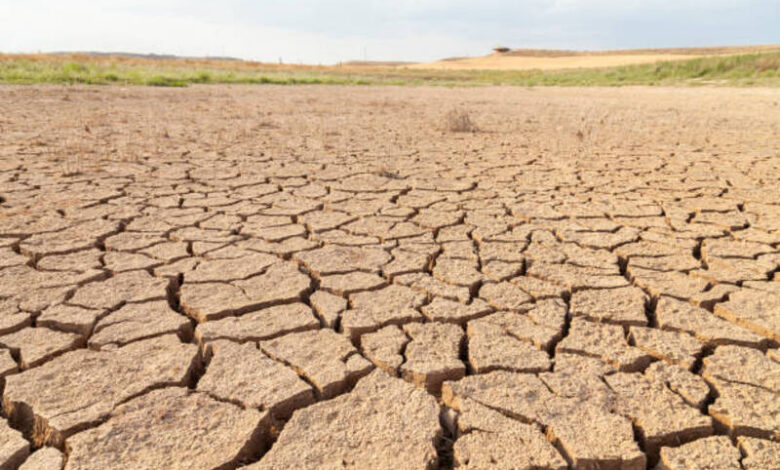
Heatwaves around the world are causing increased strain on the water reservoirs that provide drinking water. Increased evaporation rates from heat are resulting in lower lake levels and are increasing demand, as people use more water to cool off. In an effort to provide water supplies throughout extended periods of extreme heat, many governments are making an investment in new projects that will increase water storage capacity, reduce water loss, and provide reliable sources of water.
1. Reservoir Expansion
Recycled water from ethically treated and reprocessed wastewater (recycled water) reduces the overall quantity of freshwater demand on the ever-dwindling supply of freshwater available for human consumption.
2. Dam Modernization
Via real-time digital sensor data (often categorized as “Internet of Things” or IoT), water management authorities have readily-accessible access to up-to-date information on reservoir water levels (water volume) and evaporation rate; both of which are critical for effective reservoir management and water resource allocation.
3. Desalination Plants
In countries that are experiencing a water shortage, desalination plants are being constructed that convert sea water into fresh water. This will reduce the reliance on reservoirs for water.
4. Rainwater Harvesting Systems
Urban and rural areas are continuing to increase their collection of rainwater to use for seasonal rainwater and to reduce pressure on existing reservoirs.
5. Leak Reduction Programs
Water utilities are replacing old pipes, and taking advantage of new technology with smart sensors, to reduce leaks and conserve millions of gallons of treated water.
6. Wastewater Recycling
Wastewater recycling is being performed at high-quality treatment facilities to produce recycled water for use in the irrigation and industrial sectors, reducing demand on freshwater sources for drinking purposes.
7. Smart Reservoir Monitoring
Digital sensors and satellite technology help authorities monitor water levels, evaporation, and water quality in real time, improving reservoir management.
8. Watershed Restoration
Governments are restoring forests, wetlands, and river catchments that naturally improve water storage, reduce erosion, and increase groundwater recharge.
Conclusion
The frequency of severe heatwave has raised the importance of protecting drinking water supplies around the world. There are a number of projects being undertaken to assist countries to deal with increasing temperatures and diminished rainfall, such as expanding existing reservoirs, constructing desalination facilities, creating facilities to recycle wastewater, decreasing the amount of water lost through leaks, and implementing advanced monitoring systems. Investments in these projects will help to ensure reliable access to safe drinking water in the future.
FAQs
What is the effect of heatwaves on the level of water in reservoirs?
Due to increased evaporation as a result of high temperatures and an increase in the amount of water usage that occurs, the amount of water in a reservoir is reduced during periods of high temperature.
How do temperatures during droughts affect the amount of water in reservoirs?
The combination of hotter air causing evaporation and increased water consumption results in the depletion of water within a reservoir during a drought.
What does desalinate mean?
Desalination is a method to remove salt from ocean water to produce fresh drinking water.
Why is it beneficial to collect rainwater?
Rainwater harvesting is a means to capture rain so that it can be a future source of fresh water, helping to lower the need for water taken from reservoirs.