

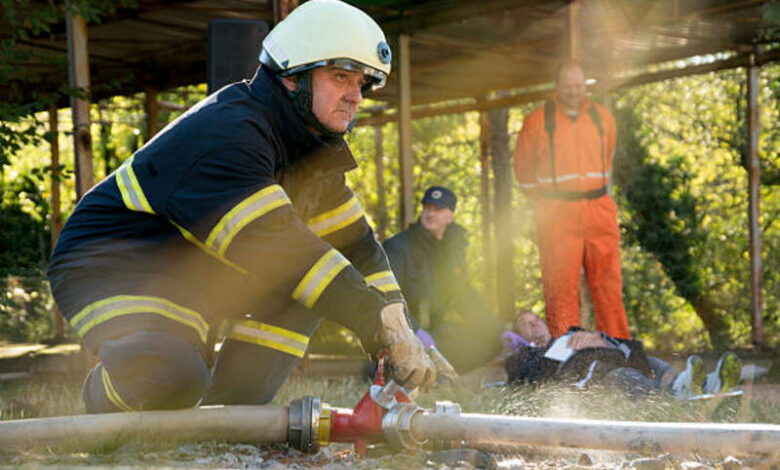
Extreme heat is affecting more than just public health and infrastructure it is also changing how armed forces train and operate. High temperatures increase the risk of heat-related illnesses, reduce equipment performance, and make outdoor exercises more challenging. As heatwaves become more frequent, many militaries are adjusting training schedules, modifying drills, and investing in better cooling measures.
Here are 10 countries where extreme heat is influencing military operations.
1. United States
The U.S. military has revised training schedules at several bases during extreme heat to reduce the risk of heat exhaustion and heatstroke among personnel.
2. India
During severe summer heatwaves, military units conducting outdoor exercises often adopt additional hydration breaks, heat safety measures, and altered training timings.
3. Australia
Australia’s armed forces regularly train in hot conditions but increasingly adjust exercises during periods of extreme temperatures and bushfire risk.
4. United Kingdom
The UK military has introduced heat guidance for personnel as unusually high summer temperatures become more common.
5. France
French military training has been affected during recent European heatwaves, with greater emphasis on hydration and heat risk management.
6. Spain
Spain’s armed forces have adapted outdoor activities by avoiding peak afternoon temperatures during intense summer heat.
7. Italy
Military exercises in Italy have increasingly incorporated heat safety protocols due to longer and more frequent heatwaves.
8. Saudi Arabia
Operating in one of the world’s hottest climates, Saudi Arabia routinely schedules outdoor military activities during cooler parts of the day.
9. Israel
The Israeli military uses strict heat stress guidelines, including water intake requirements and work-rest cycles during high temperatures.
10. Japan
Japan’s Self-Defense Forces have strengthened measures to protect personnel from heat-related illnesses during summer training.
Conclusion
Heatwaves are becoming an important factor in military planning around the world. As temperatures continue to rise, armed forces are adapting by changing training schedules, improving hydration strategies, and investing in technologies that help personnel operate safely in extreme heat.
FAQs
Why are heatwaves affecting military training?
High temperatures increase the risk of heat-related illnesses and reduce physical performance.
Can extreme heat damage military equipment?
Yes. Excessive heat can affect vehicles, electronics, batteries, and other equipment.
How do militaries adapt to heatwaves?
They adjust training times, increase hydration breaks, monitor personnel for heat stress, and use cooling measures.
Are military exercises cancelled during heatwaves?
Some exercises may be postponed, shortened, or modified if temperatures become unsafe.