How Are Heatwaves Affecting Nuclear Power Plants? 8 Countries Facing Cooling Challenges

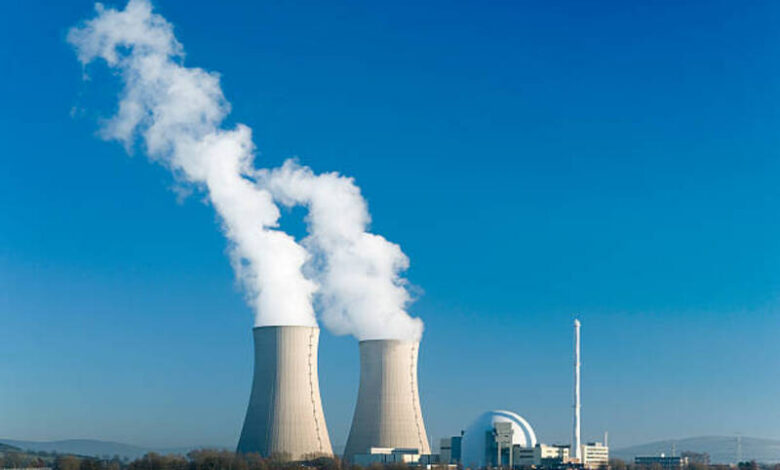
Heatwaves are creating new challenges for nuclear power plants around the world. Although nuclear reactors do not rely on weather to generate electricity, they require large amounts of water from rivers, lakes, or the sea to cool their reactors safely. During extreme heat, warmer water temperatures and lower river levels can reduce cooling efficiency, forcing some plants to lower output or temporarily shut down.
1. France
In France, where a majority of power is generated from nuclear energy, nuclear reactors have intermittently reduced the amount of electrical power generated due to rivers being too warm for adequate cooling to occur during extreme heat.
2. Germany
Germany has reduced the number of nuclear reactors in their country; however, heat waves have impacted the operations of nuclear power plants by raising the river temperature and/or lowering the water volume.
3. Switzerland
Swiss nuclear facilities have temporarily reduced electrical output to prevent the rivers from becoming too warm as a result of extreme heat.
4. United States
Multiple U.S. nuclear power facilities have experienced challenges cooling the reactor due to excessive heat waves, with most of the plants that cool reactors using river water being impacted the greatest.
5. Spain
With the continued increase in temperature due to global warming in Spain, there are growing concerns about the availability of water for cooling processes during extreme heat periods of time when there is a shortage of water.
6. Belgium
At times, the Belgian nuclear power plants have either adjusted their normal operations, when the water in the river exceeded the environmentally acceptable level of temperature for cooling of a nuclear power plant.
7. Czech Republic
Heatwaves and lower reservoir levels have raised concerns about maintaining sufficient cooling water for nuclear plants.
8. Finland
Although Finland has a cooler climate, rising summer temperatures have increased attention on long-term cooling requirements for nuclear facilities.
Conclusion
Global warming has placed an increasing strain on the ability of nuclear power facilities to adequately cool down following heat wave events. To mitigate the impacts of climate change, many nations have begun investing in much better cooling water technology, more efficient management of cooling water, and developing much more resilient off-site infrastructure that promotes the generation of electricity and does so in a manner that maintains stringent safety standards.
FAQs
Will a heat wave cause nuclear facilities to cease operation(s)?
In some instances, operators may have to temporarily reduce the amount of power produced or even cease operation(s) until cooling conditions are safe for operation(s) to resume.
Is nuclear energy safe during heat waves?
Yes! Nuclear facilities are subject to very rigid safety regulations and will safely reduce energy production or cease operation(s) if necessary.
What is the role of rivers in cooling nuclear facilities?
Most nuclear facilities utilize river water to cool their nuclear reactor and then return that same river water to the environment at regulated and controlled conditions.