How Are Heatwaves Affecting Public Transit Systems? 8 Infrastructure Problems Explained

Heat waves are having a growing effect not only on human health but also on total infrastructure systems around the world, including public transportation. Roads, railways, airports and power systems are under additional pressure as temperatures rise to unprecedented levels. This increased strain results in longer delays, more frequent cancellations, and increased maintenance costs for public transport systems around the globe. Many cities around the world are investing in heat-resilient infrastructure to help maintain public transport services in a safe manner.
1. Railway Tracks Can Expand
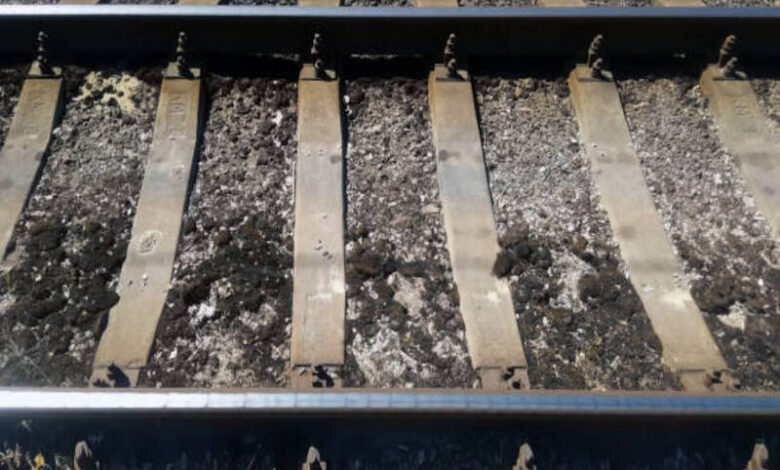
The long metal structure of the railway is less capable of maintaining its shape due to the increased thermal expansion during periods of extreme temperatures. The expansion of railway track can lead to deformation (or buckling) of the track itself, increasing chances of accident. Many rail operators impose temporary speeds limit restriction in order to avoid potentially dangerous situations.
2. Roads Can Soften and Crack
The value of the asphalt used to construct the surface of our roadways deteriorates after being subjected to the direct sun’s rays for extended periods. When this happens, asphalt can become soft and develop cracking, ruts or uneven surfaces that will impede the flow of traffic and require repair.
3. Airport Runways Face Stress
Older runway surfaces at airport facilities can be damaged by extreme heat-induced expansion, requiring the affected runways of the facilities to either undergo maintenance, or in some cases, not be available for on-going use for a period of time.
4. Higher Risk of Vehicle Breakdowns
Buses and trains are more likely to have operating engine overheating problems, or internal cooling system failure during prolonged periods of extreme heat.
5. Power Demand Increases
Increased electricity usage associated with high-frequency air conditioning use places significant pressure on utility power grids, including those that supply power to electric trains, light rails, and electric buses.
6. Passenger Health Risks
Due to the increased density of passengers on crowded platforms, waiting for their transports to take them to their destinations, the risk of dehydration increases dramatically as a result of high heat and humidity.
7. Delays and Service Disruptions
Track inspectors are being hired/contracted to check tracks because of the expansion of railway profiles during periods of sustained high-temperature conditions, which forces transportation managers to slow the speed of train operations to improve safety.
8. Higher Maintenance Costs
The increase in the frequency of heat waves and heat-related infrastructure failures increases the cost of inspecting and repairing railways and roads, and the cost of upgrading railway and road infrastructure and the cooling systems on all modes of transportation, as temperatures continue to rise.
Conclusion
Public transportation systems are experiencing increasingly difficult challenges due to frequent and/or extreme heat. Extreme heat is also forcing cities to rethink how to build and manage their transportation systems regarding rail expansion, highway and ramp damage, increased demand for power, and how to ensure the safety of passengers during times of extreme heat.
FAQs
Why do trains operate at lower speeds during heat waves?
Because of the expansion of the railroad track during periods of sustained higher temperatures, the speed of freight trains is reduced to provide for a safer operating environment.
Are roads at risk of being damaged due to extreme heat?
Yes. Asphalt will become soft, cracked, and/or develop ruts due to prolonged extreme heat.
Is there an impact on airport operations due to extreme heat?
Yes. The runway surface and the operation of aircraft are affected by the stress caused by extreme heat.
Why are buses more likely to fail to operate in extreme heat?
Extreme heat increases the workload of engines, cooling systems and air-conditioning units, which leads to mechanical issues.