
Electric Vehicles vs. Hybrid Cars: Real Ownership Cost Comparison
Compare electric vehicles vs hybrid cars by purchase price, fuel, maintenance, battery costs and driving range to find the best option for your budget in 2026.

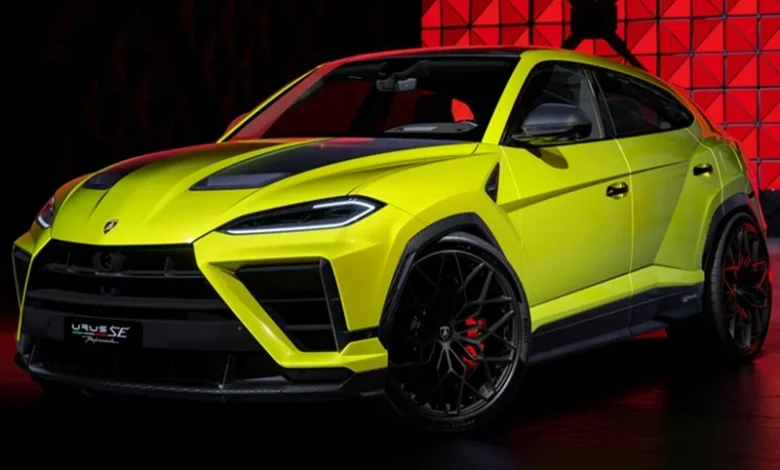
Electric vehicles (EVs) and hybrid cars are becoming increasingly popular as fuel prices rise and cleaner transportation gains attention. While EVs run entirely on electricity, hybrids combine a petrol engine with an electric motor. Understanding the real cost of ownership can help buyers choose the option that best suits their driving needs and budget.
Upfront Purchase Cost
Electric vehicles generally have a higher purchase price because of their large battery packs. Hybrid cars are usually less expensive than EVs but may still cost more than comparable petrol models.
Fuel and Charging Costs
EVs are much cheaper to run because electricity usually costs less than petrol or diesel. Charging at home is often the most economical option. Hybrid cars consume less fuel than conventional vehicles, but owners still need to buy petrol regularly.
Maintenance Costs
Electric vehicles have fewer moving parts and do not require engine oil changes, making maintenance costs lower over time. Hybrid cars require maintenance for both the petrol engine and the electric system, although they are generally cheaper to maintain than traditional petrol vehicles.
Battery Costs
EV batteries are designed to last many years and are typically covered by long warranties. Hybrid batteries also have long lifespans, but replacement costs can be significant if needed after the warranty expires.
Driving Range
Hybrid cars usually offer a longer driving range because they can switch between electric power and petrol. EV range depends on battery size and charging availability, but newer models can travel several hundred kilometers on a full charge.
Best Choice for Different Drivers
An electric vehicle is ideal if you:
- Drive mostly in cities
- Have access to home or workplace charging
- Want lower running and maintenance costs
A hybrid car is better if you:
- Frequently travel long distances
- Have limited access to charging stations
- Want better fuel efficiency without relying entirely on charging
More Climate Insights
How Is Climate Changing Daily?
Discover today’s real impacts.
What Climate Effects Go Unnoticed?
Uncover hidden everyday changes.
Why Protect Biodiversity Hotspots?
Find nature’s climate solution.
Why Are Monsoons So Unstable?
Learn what’s driving change.
Is Your Home Monsoon Ready?
Check out essential preparations.
Conclusion
Electric vehicles generally have higher upfront costs but lower fuel and maintenance expenses, making them more economical over long-term ownership. Hybrid cars offer greater flexibility for long-distance travel and areas with limited charging infrastructure. The best choice depends on your daily driving habits, budget, and access to charging facilities.
FAQs
Q: Which is cheaper to run, an EV or a hybrid?
A: Electric vehicles usually have lower running costs because electricity is cheaper than petrol.
Q: Do EVs require less maintenance?
A: Yes. They have fewer moving parts and do not need engine oil changes.
Q: Are hybrid cars good for long trips?
A: Yes. They can continue running on petrol after the battery is depleted, making them suitable for long-distance travel.
Q: Is battery replacement expensive?
A: Battery replacement can be costly, but most EV and hybrid batteries are covered by long manufacturer warranties and are designed to last many years.