
Climate scientists warn that rising global temperatures could make extreme heat a major challenge for many cities by 2050. Increasing heatwaves, higher humidity, and rapid urbanization are expected to raise health risks, strain infrastructure, and increase energy demand. While these cities are not expected to become completely uninhabitable, they are projected to face much more frequent and severe heat conditions.
Here are 15 cities that are considered highly vulnerable to extreme heat in the coming decades.
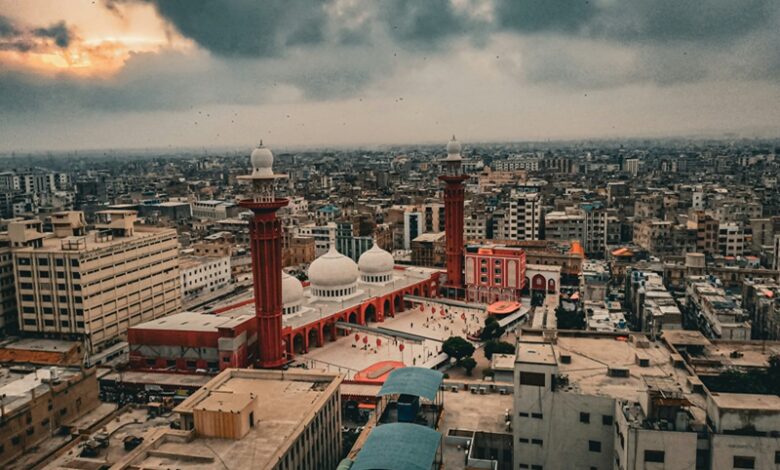
1. Karachi, Pakistan
Karachi is expected to experience more frequent heatwaves and higher humidity, increasing the risk of dangerous heat stress.
2. Delhi, India
Delhi already records temperatures above 45°C during summer, and climate projections suggest even hotter conditions in the future.
3. Lahore, Pakistan
Lahore is likely to face longer and more intense heatwaves, especially during the pre-monsoon season.
4. Dubai, UAE
Extreme summer temperatures combined with high humidity could make outdoor activities increasingly difficult.
5. Baghdad, Iraq
Baghdad frequently experiences temperatures above 50°C and is expected to see more prolonged periods of extreme heat.
6. Kuwait City, Kuwait
One of the hottest cities in the world, Kuwait City could face even higher temperatures as the climate warms.
7. Riyadh, Saudi Arabia
Rising temperatures and limited rainfall are expected to increase heat-related risks across the city.
8. Phoenix, United States
Phoenix has experienced record-breaking heat in recent years, and climate models project more frequent extreme heat events.
9. Dhaka, Bangladesh
Rapid urban growth and high humidity could make heat stress more severe for millions of residents.
10. Bangkok, Thailand
Bangkok’s tropical climate and urban heat island effect are expected to increase the frequency of dangerous heat conditions.
11. Jakarta, Indonesia
High temperatures, humidity, and rapid urbanization are likely to worsen heat-related challenges.
12. Cairo, Egypt
Cairo is projected to experience hotter summers and more frequent heatwaves, increasing pressure on water and energy resources.
13. Mexico City, Mexico
Although located at a higher elevation, Mexico City is expected to face rising temperatures and more frequent heat events.
14. Manila, Philippines
Hot and humid conditions, combined with climate change, could increase health risks during prolonged heatwaves.
15. Tehran, Iran
Tehran is expected to experience higher average temperatures and more frequent extreme heat events by mid-century.
More heatwave stories worth reading.
Why Track Marine Heatwaves So Closely?
Uncover the science behind rising ocean temperatures.
How Are Heatwaves Hitting Transit?
See how extreme heat disrupts daily travel.
Why Are Nuclear Plants At Risk?
Find cooling challenges facing power stations.
How Do Heatwaves Threaten Reservoirs?
Browse key efforts protecting water supplies.
Which Countries Face Military Heatwaves?
Check out where extreme heat affects defense operations.
Conclusion
By 2050, many cities are expected to experience far more frequent and intense heatwaves than they do today. While these cities are unlikely to become completely uninhabitable, adapting to rising temperatures through better urban planning, greener infrastructure, and climate resilience will be essential to protect public health and maintain livable communities.
FAQs
Q: Will these cities become completely uninhabitable by 2050?
A: No. Most climate projections indicate that they will face significantly greater heat risks, not that they will become entirely uninhabitable.
Q: Why are cities heating up faster than rural areas?
A: Concrete buildings, roads, fewer trees, and dense development create an urban heat island effect that traps heat.
Q: Which regions are most vulnerable to extreme heat?
A: South Asia, the Middle East, Southeast Asia, and parts of the southwestern United States are among the most vulnerable.
Q: Can cities reduce extreme heat?
A: Yes. Green spaces, reflective roofs, improved building design, and better urban planning can help lower temperatures.