Green Hydrogen Reality Check: Hype vs. What’s Actually Being Built in 2026
Industry plans are shifting as Green Hydrogen Projects face delays and cuts. Learn what is truly being built and why it matters.

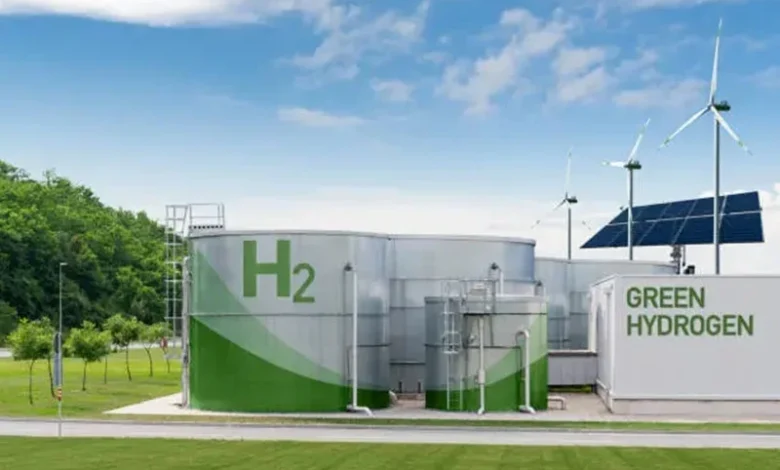
Green hydrogen was supposed to be the fuel that replaced fossil energy in ships, steel plants and power grids. In 2026, the picture looks very different from the glossy investor decks of a few years ago. Real green hydrogen projects are being built, but at a fraction of the scale that was promised, and mostly in a narrower, more cautious form.
The Gap Between Announcements and Actual Construction
Back in 2022, industry forecasts pointed to roughly 150 gigawatts (GW) of electrolyser capacity by 2030. That is the equipment that splits water into hydrogen using renewable electricity. As of early 2026, only about 2.5 GW is actually operating worldwide, with another 5 to 8 GW having reached a final investment decision but not yet built. That means the world is running at a small percentage of the pipeline that was announced just a few years ago.
China currently holds around 60% of the world’s operating alkaline electrolyser capacity, while Europe leads in newer technologies such as PEM and SOEC systems. This tells buyers and governments something important: the countries actually building plants are not always the ones making the loudest announcements.
Why So Many Projects Have Been Shelved
Close to 60 major clean hydrogen projects were cancelled globally in 2025 alone, together representing production capacity of nearly 5 million tonnes of hydrogen a year. Big names pulled back too. BP cancelled its 1.5 GW Duqm project in Oman, CF Industries walked away from a US electrolyser plant after a poor return review, and a large Canadian hydrogen export project shifted its focus toward domestic power instead.
The reasons are consistent across regions:
- High financing costs – lenders often charge more than three times the interest rate applied to standard solar or wind projects, since hydrogen plants still lack a long operating track record.
- Weak or uncertain buyers – many projects were approved on paper agreements (MOUs) rather than binding, long-term purchase contracts.
- Policy uncertainty – shifting subsidy rules, especially around tax credits and government-backed hubs, have made investors nervous.
- Unrealistic electricity price assumptions – projects priced at low power costs became unaffordable once real-world rates were applied.
What Is Actually Getting Built
The projects that are surviving share a common pattern: they are smaller, typically in the 10 to 50 megawatt range, and built next to a guaranteed buyer such as a fertiliser plant, refinery or manufacturer. The UK’s Barrow Green Hydrogen project, for example, reached a final investment decision in May 2026 backed by a firm supply deal with an industrial buyer and UK government subsidy support. This “co-located” approach cuts transport costs and removes the biggest risk in the industry: not knowing who will actually buy the hydrogen.
A Checklist for Reading Green Hydrogen Headlines
Before assuming a hydrogen announcement means real, near-term supply, check for:
- A signed, long-term offtake agreement, not just a memorandum of understanding.
- A stated final investment decision, not only a “planned” or “proposed” capacity figure.
- A realistic electricity price and financing cost, not a best-case scenario.
- A project scale under 100 MW, which has historically had a stronger completion record.
- Government subsidy confirmation, since policy support materially affects whether projects proceed.
The Practical Takeaway
Green hydrogen is not dead, but the industry has narrowed sharply from the mega-project ambitions of a few years ago. Realistic estimates for 2030 now sit between 25 and 40 GW of operating capacity worldwide, concentrated in Europe, China and specific industrial clusters, rather than the 150 GW once forecast.
Explore the future of clean energy.
Are Tokyo’s EV Plans Working?
Check out the impact of green transport policies.
How Is Kenya Going Green?
Find Africa’s latest renewable energy success.
Can Hydrogen Boost Carbon Capture?
Uncover the latest clean energy research.
Which Green Tech Leads Tomorrow?
See the biggest sustainability trends ahead.
Why Is Solar Winning Today?
Reveal why solar now beats fossil fuels.