Mystery of India’s Deep Sea: Scientists Identify a New Shark Species
Scientists identified a Deep Sea Shark Species off India, revealing hidden ocean biodiversity and conservation needs. Read the full story today now!

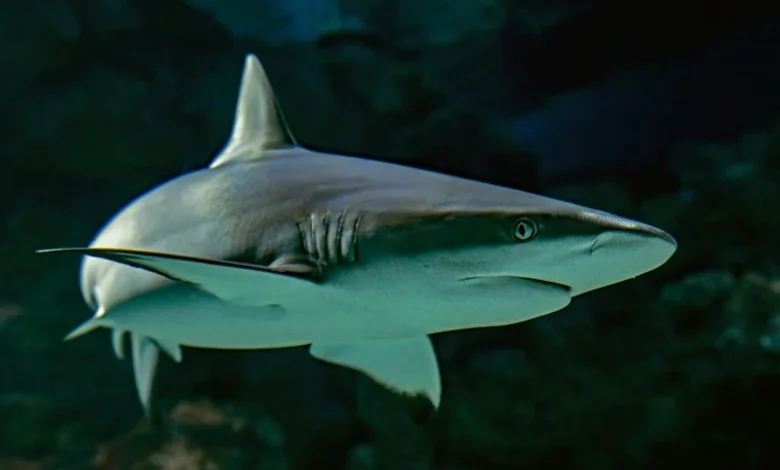
And the deep waters around India have revealed yet another stunning secret. Scientists have discovered a new deep-sea shark species in the northern Indian Ocean. The find off India’s southwest coast demonstrates that important marine species can hide in waters near busy coastal settlements. The new shark species is a reminder that much of the ocean remains to be discovered.
A Shark in the Deep Indian Ocean
The shark was named a Pygmy false catshark, with the scientific name Planonasus indicus. It is a small brown shark, dark brown, 65 centimetres, about.
This is not the shark that you see at the beach. It dwells deep down in the sea. Researchers have said it can manoeuvre in waters of about 800 to 1,000 metres deep.
There ain’t much of a sun here. It’s colder, the pressure is much higher and food can be scarce. These circumstances have resulted in a world that remains difficult for humans to study.
Discovery Started With a Fishing Activity
One of the most interesting aspects of the story is how the shark was introduced to science. The first specimen was netted in fishing nets off Kochi, Kerala, in 2008.
A second specimen was collected in 2018 near Trincomalee, Sri Lanka. The scientists looked at the physical characteristics of the specimens and compared them before they confirmed them as a new species.
It demonstrates how fishermen can sometimes be a vital link between marine research and the hidden ecosystems beneath the surface of the sea.
Why Deep Sea is Important for India?
India has a vast coastline and millions of people depend on fishing and other coastal activities. But we know less about the deeper parts of the surrounding ocean than we do about shallow coastal waters.
The discovery is also important outside of India. The northern Indian Ocean connects ecosystems of several countries including Sri Lanka and Maldives. Studying the species found in these waters helps scientists understand how marine environments function across national borders.
Deep-sea shark populations may also be susceptible to fishing pressure, as many species have slow growth rates and limited rates of reproduction.
What scientists don’t know
Discovering a species is just the first step. Researchers need to know more about its numbers, its diet, breeding habits and habitat.”
The key questions are:
•How many are they?
•How many are in its natural habitat?
•What does it eats in the deeps?
•Is its habitat threatened by fishing?
•How are the changed conditions of the ocean being met?
To answer these questions we need long term surveys and collaboration between scientists, fishing communities and the marine authorities.
The Discovery Has a Bigger Meaning
“This new shark is not just some weird animal of the sea. It’s a much bigger scientific mystery. Scientists are still finding new species in the deep waters, because these waters are difficult and expensive to explore.
Better understanding of deep-sea biodiversity will also help India to manage sustainable fisheries and conserve marine life. It can also teach the wider world how ocean systems respond to warming seas, changing fishing patterns and other environmental pressures.
Conclusion
The find of this deep-sea shark species off the southwest coast of India is proof that the ocean is yet to answer many questions. “What lives in these hidden ecosystems? To protect them, we need to know.” Continued research, sustainable fishing practices and improved monitoring of the oceans can help ensure that newly discovered species are not lost before scientists can learn all they can about them.
Dive deeper into the ocean’s biggest challenges.
Why Are Sharks Appearing More Often?
Look into the key reasons behind Australia’s rising shark activity.
Why Do Apex Predators Matter?
Uncover how their decline could disrupt entire marine ecosystems.
Could El Niño Affect Seafood?
Find out how changing oceans may increase pollution risks.
Can Oceans Escape Plastic Pollution?
See what’s driving the growing global marine waste crisis.
How Is AI Protecting Oceans?
Check out how smart technology is tracking fishing far at sea.