
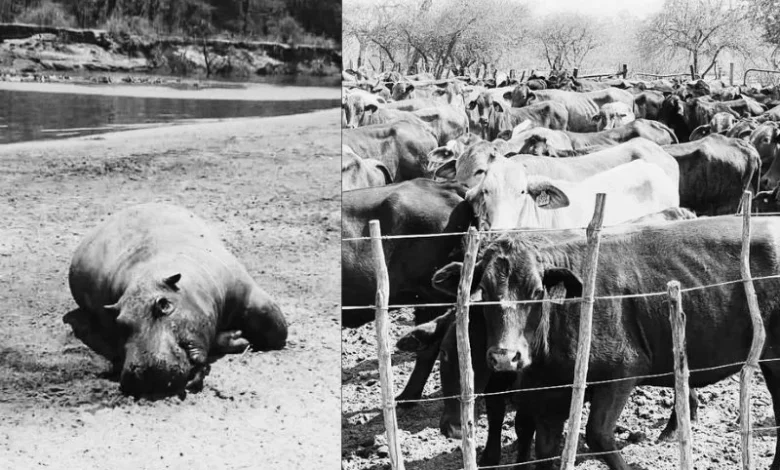
Zambia anthrax outbreak, Along a stretch of riverbank in northern Zambia, wildlife officers have been counting hippo carcasses since late August, and the number now stands at 46. This anthrax outbreak in Zambia has done more than worry conservationists. It has pushed public health teams into action because of a real risk of disease spillover to humans, something that tends to matter to people well outside Zambia’s borders too.
What Is Actually Happening
The deaths were first reported on August 31 in Muchinga province, an area where hippos gather in large numbers along the water. Out of the 46 dead hippos, only one carcass has come back positive for anthrax in laboratory testing so far. Raymond Hamoonga, who leads Zambia’s One Health coordination efforts, has said the current death toll is not high enough to threaten the hippo population overall, but it is high enough to justify closer watching, quicker carcass investigation, and ongoing surveillance in the area.
Interestingly, five buffalo that died around the same time tested negative for the bacteria, and ten elephant deaths reported since June are still being investigated. Officials have been clear that these other animal deaths cannot be pinned on anthrax until lab results confirm it.
How the Disease Jumps to People
Anthrax comes from a bacterium, Bacillus anthracis, and it lives mainly in the environment and in grazing animals. People usually get infected the same way in most outbreaks around the world: by touching, skinning, or eating meat from an animal that has already died of the disease. That is exactly the pattern authorities are watching for near Muchinga’s rivers.
Where Human Cases Stand Right Now
- 21 people in the province are currently suspected of anthrax exposure
- Just one of those cases has been confirmed through laboratory testing
- No human deaths have been reported as of late September
- Most suspected exposure traces back to carcass handling or eating meat from animals found dead
Zambia’s disaster management authorities have asked residents to stop consuming, selling, slaughtering, or even touching meat from any animal suspected of dying from this illness, and to report carcasses to wildlife or veterinary staff right away.
A Familiar Pattern With Lessons for Everyone
This is not new territory for Zambia. A larger anthrax event in 2023 spread across nine of the country’s ten provinces. What stands out this time is the response itself: local radio broadcasts, community health workers, traditional leaders, and a national livestock vaccination drive are all working together. In rural, mobile-first regions where hospitals and labs are not always close by, this kind of grassroots communication often catches problems faster than any lab test can.
Conclusion – Zambia anthrax outbreak
The situation in Muchinga is still unfolding, but the message is simple. When wildlife starts dying in unusual numbers, human health is rarely far behind. Anyone living near affected rivers should stay away from dead animals, avoid their meat entirely, and report sightings immediately, no matter where in the world similar warning signs appear.
More stories on extreme weather.
Why Is Bangladesh Facing Flood Risks?
Find the latest climate insights.
What’s Driving India’s Weather Split?
Check out the extreme weather patterns.
Is Sonamarg Travel Safe Today?
Get to know the latest advisory.
How Severe Are China’s Floods?
Browse the latest emergency updates.
Why Is Northeast India Flooding?
Uncover the unusual jet stream effects.