
H5N1 Bird Flu Outbreak in Australia: Deadly Virus Now Hitting Dolphins, Sea Lions and Foxes

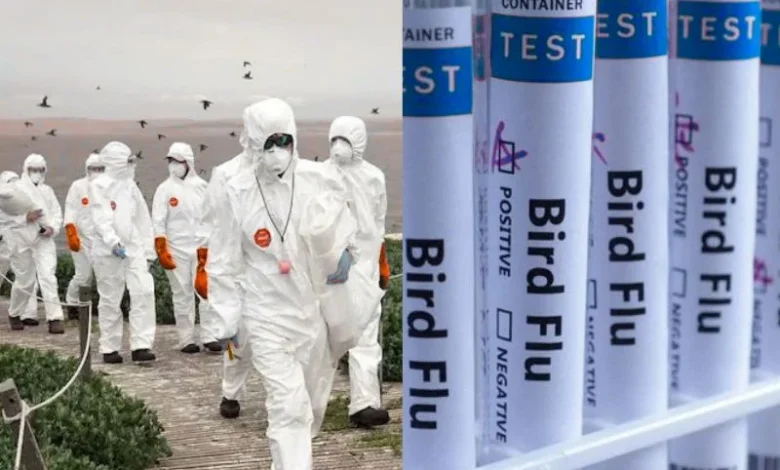
For years, bird flu seemed like a farm problem, something that stayed in poultry sheds and wild bird colonies. That picture has changed in Australia. H5N1 bird flu in Australia, The virus has now reached marine mammals, including dolphins and sea lions, and has even shown up in a fox. This matters far beyond Australia’s coastline, because it shows how quickly a disease can move between completely different animals once it gets a foothold.
How the Virus Moved From Birds to Land Animals
Since late August 2026, health and wildlife teams in southeastern Australia have been tracking H5N1 spreading through wild birds. Little penguins, magpies, crested terns and pelicans have all tested positive. Victoria’s chief biodiversity officer, James Todd, pointed out that birds gathering in large numbers during breeding season makes it much easier for the virus to jump from one animal to the next.
The first case in a mammal turned up in a red fox near Adelaide. Foxes themselves don’t spread the disease easily to other animals, but because they scavenge, they can carry an infected bird carcass to a new location, which quietly extends the outbreak’s reach.
Why Marine Mammals Are Now the Bigger Worry
The situation took a more serious turn when South Australia confirmed H5N1 in an Australian sea lion, a species already listed as critically endangered and shrinking by roughly 2 percent every year. This particular animal had been recovering from a shark attack when the virus killed it. Around the same period, a common dolphin died from the infection near Goolwa, and cases also appeared in long-nosed fur seals and, for the first time in the country, a pelican on the Yorke Peninsula.
Scientists believe marine mammals pick up the virus mainly by eating infected seabirds or by coming into contact with contaminated water, sand or bodily fluids at shared breeding sites. What worries researchers most is that this version of H5N1 can attack an animal’s brain and nervous system, which makes it far more damaging than older strains.
What People Living Near or Visiting the Coast Can Do
Nobody can fully stop the virus at this stage, but there are simple steps that reduce how far it spreads. Anyone spending time on beaches in Australia, or in coastal areas anywhere else, can follow this basic checklist:
- Stay away from birds, seals or dolphins that look sick, weak or dead
- Report unusual wildlife deaths to your local environment authority instead of handling the animal yourself
- Keep children and pets well away from any carcass on the sand
- Wash your hands and clean your shoes after visiting affected beaches
- Support local monitoring groups that track sick or unusual wildlife behaviour along the coast
Conclusion – H5N1 bird flu in Australia
This outbreak shows that a virus starting in birds can quietly work its way into some of the ocean’s most vulnerable species. Whether you live near the coast or are just visiting one, staying alert and reporting what you see can genuinely help slow this down. A little caution on the beach today could save a species tomorrow.
More stories on extreme weather.
Why Is Bangladesh Facing Flood Risks?
Find the latest climate insights.
What’s Driving India’s Weather Split?
Check out the extreme weather patterns.
Is Sonamarg Travel Safe Today?
Get to know the latest advisory.
How Severe Are China’s Floods?
Browse the latest emergency updates.
Why Is Northeast India Flooding?
Uncover the unusual jet stream effects.