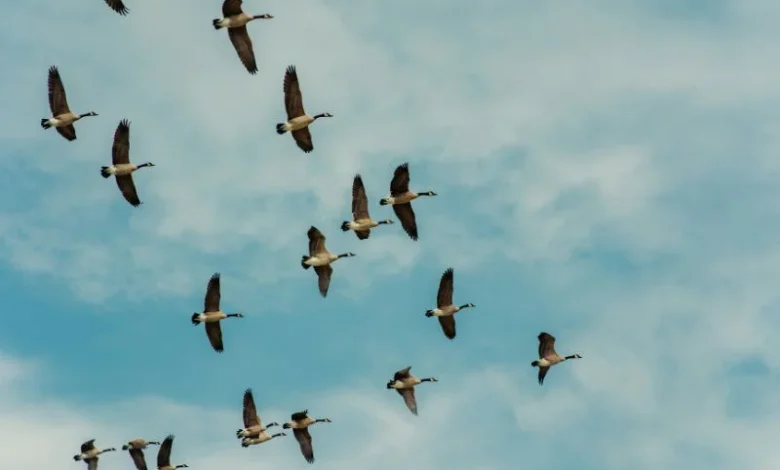
Every autumn millions of migratory birds make the long journey over the Mediterranean from their breeding grounds in Europe to warmer wintering grounds in Africa. Mid-September 2026 brought a rough thunderstorm that forced thousands of these exhausted birds down onto Malta. Malta migratory birds, What should have been a brief rest stop turned deadly, as hunters across the island reportedly opened fire on the stranded flocks.
How the Storm Grounded Thousands of Birds
Malta sits right on the Central European-Mediterranean flyway, one of the main paths birds take between Europe and Africa. A multi-day storm over the sea left many birds too tired to keep flying, so they came down together in large numbers, a pattern bird experts sometimes call a “bird fall.” Grouped together like that, exhausted and visible, they were far easier to spot and shoot than birds scattered across open sky.
Why Hunting Pressure in Malta Is So High
Malta already has the highest concentration of licensed hunters anywhere in Europe, somewhere above 10,000 active at any one time. Add a sudden cluster of weakened birds to that, and the result was almost inevitable. BirdLife Malta says hunters killed more than 500 European turtle doves in the days following the storm, a species whose numbers have already been falling for years.
Protected Species Among the Dead
Turtle doves weren’t the only casualties. Volunteers on the ground documented several other incidents:
- A flock of over 150 little egrets, with at least two confirmed dead
- Injured European bee-eaters, a night heron, and a grey heron
- Three separate reports of European rollers being shot
- Two black storks killed, despite the species being fully protected under both Maltese and EU law
In just one week after the storm, BirdLife Malta logged 21 protected birds with confirmed gunshot injuries, some of it happening after the legal turtle dove season had already closed for the year.
Weak Enforcement Adds to the Problem
Part of the issue, conservationists say, is sheer numbers. Malta’s environmental police are vastly outnumbered by the hunters they’re meant to be watching. Past decisions haven’t helped either, including amnesties that let banned hunters back into the field. Laws protecting these species exist on paper, but without people to enforce them day to day, they don’t carry much weight.
A Wider Mediterranean Pattern
This isn’t just a Malta problem. Across the Mediterranean, tens of millions of birds are illegally killed or trapped each year, despite legal protections under EU rules. What happened in Malta is a small, sharp example of a much bigger issue, one that storms and shifting weather patterns could make worse in the years ahead.
Conclusion – Malta migratory birds
What played out in Malta wasn’t just bad luck during a storm. It was a gap between what the law says and what actually gets enforced on the ground. Until that gap closes, stranded birds will keep paying the price for weather they had no control over.
Track the latest climate changes.
Is Your Seafood Becoming Riskier?
Find how El Niño affects ocean pollution.
Why Are Heatwaves Getting Worse?
Check out the link between monsoons and El Niño.
What Happens During Super El Niño?
See the major weather changes ahead.
Could Food Prices Rise Soon?
Uncover how climate affects grocery costs.
How Will Weather Patterns Change?
Get to know this summer’s biggest climate shifts.