
Dust Storms After Heatwaves: Why Cities in Central India Are Seeing More Sudden Evening Storms

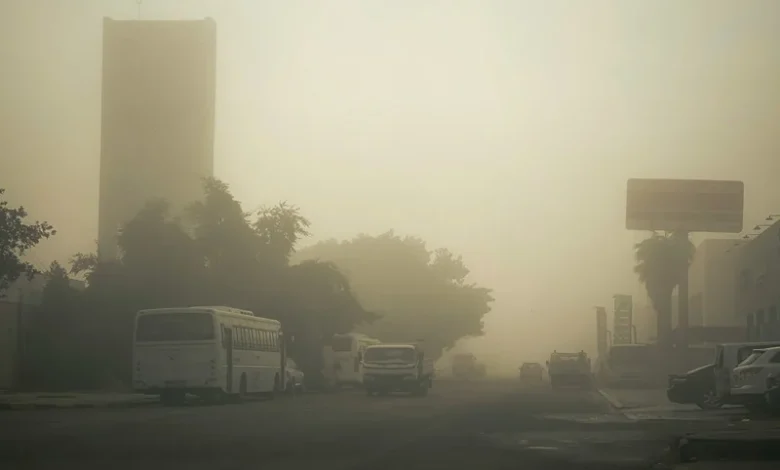
Central Indian urban areas are experiencing an alarming trend with scorching days followed by sudden onsets of severe evening dust storms, strong winds, and thunderstorms. What used to feel like anomalies is now becoming a predictable part of the pre-monsoon season; therefore, extreme heat is substantially responsible for initiating this phenomenon.
Why Dust Storms Form After Heatwaves
1) Extreme Heat Supercharges the Atmosphere
When temperatures experience readings above 40°C for multiple days:
- The Earth becomes heated to a level of severe intensity.
- The surrounding hot air rises rapidly above ground level- creating an unstable atmosphere with potential for (listed above) storms to develop.
2) Strong Winds Lift Dry Dust Into the Air
During extreme heat the dry surfaces and loosely packed soil of central India are susceptible to damage due to dryness in relative proximity to heat disruption effects in high energy instances.
As previously described atmospheric conditions create instability the resulting wind gusts (or violent gusts) will negatively affect loose dust on land and result in rapid uplifts of dry dust creating massive walls of dust in advance of the thunderstorm event as previously described.
3) Moisture Meets Super-Heated Air
Moisture moving inland from nearby water bodies collides with hot air temperatures over the land, thus creating:
- Thunderstorm clouds
- Sudden burst of strong wind
- Severe duration (but very rapid in cancelling out)
Stronger wind gusts and more moisture directly correlated with higher levels of extreme temperatures coming into contact with moisture means increased storm potential in potency to cause damage in all forms to property, crops, people and communities throughout Central India.
Extreme Weather, Heatwaves & Safety Insights
Explore India unpredictable weather heat storms why?
Discover why heatwaves and storms are happening together.
Check Gujarat thunderstorms after heatwave cause?
Explore why sudden storms are becoming common.
Discover Karachi heatwave heatstroke symptoms?
Check warning signs and how to stay safe.
Explore Dubai early heat curve reason?
Discover why temperatures are rising faster this season.
Check Paris feels hotter effect summer?
Explore why heat feels intense without big temperature rise.
Longer Dry Periods Increase Dust Availability
Delays in rainfall and lengthy periods of dry; i.e. dry topsoil, dry vegetation and urban surfaces that produce dust when associated with higher wind speeds, make it easier for dust storms to occur.
Urban Heat Is Amplifying Local Storms
Cities absorb heat from concrete and asphalt pavements, automotive/industrial emissions and a decrease of green space, so that urban areas become “heat islands” that increase probabilities of night time storms developing; thus creating stronger storms to occur as atmospheric reactions occur to extreme and prolonged heat events during the summer months.
Final Words
Dust storms in central India continue to be a visible sign of the increasing volatility of summer temperatures, not just increases in summer temperatures alone. The relationship is being established whereby the combination of more intense periods of summertime heat and prolonged heat results in more intense atmospheric responses to the above.
FAQs
1. Why do storms occur after exceptionally hot days?
Because extreme heat results in a lack of stability in the atmosphere.
2. Why are dust storms increasing in number?
Due to the increase in heat with a dryer atmosphere and changes in the climate.
3. Do these storms generally relieve the heat?
Generally they relieve the heat for a short period of time.
4. Why do storms mainly occur in the evening?
Because that is the time when the daytime heat has built up to a maximum amount of instability.