
Heat waves and Storms at the Same Time: Why India’s Weather Is Becoming Increasingly Unpredictable This Week; Health Tips To Keep Yourself Safe!

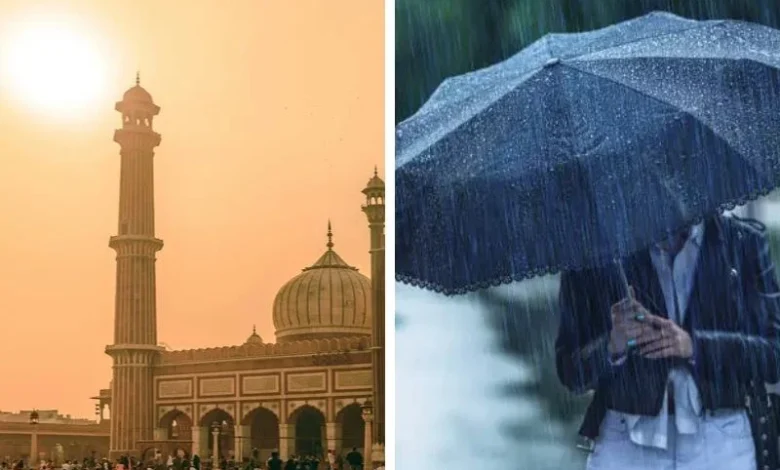
There has been some bizarre weather throughout India for many parts of India with some experiencing both heatwaves and thunderstorms (sometimes including hail) while other parts will have just a thunderstorm (or just a heatwave), and these differences can be occurring within hours/days of each other.
The entire country is becoming less predictable when it comes to weather patterns; as we have seen with the heat wave occurring currently in Delhi and the massive storms that have occurred throughout Gujarat, Uttar Pradesh and possibly some of the Northeastern.
Why Heatwaves and Storms Are Happening Together
1) Extreme Heat Creates Atmospheric Instability
When there are very high temperatures over land:
– Very hot air is very quickly forced to rise
– As a Result, the Atmosphere becomes Unstable
– The Increased Moisture creates the Quick Development of Thunderstorms.
2) Moisture Is Colliding With Super-Heated Air
Moisture from both the Bay of Bengal and the Arabian Sea is being pushed inland toward the continually rising land temperatures, where it will eventually come into direct contact with the super-heated air masses.
This interaction results in:
– Sudden appearance of black clouds.
– Thunderstorms with lightning.
– Brief but heavy rainfall (showers).
3. Climate change is worsening both extremes.
Heatwaves, Storms & Weather Shifts Across South Asia
Explore Karachi heatwave heatstroke symptoms?
Discover warning signs and how to stay safe.
Check measles wet bulb risk Dhaka heat?
Explore how extreme humidity worsens health risks.
Discover North India sudden cooling clouds?
Check why temperatures dropped and what’s next.
Explore Gujarat storms after heatwave why?
Discover why extreme heat triggers thunderstorms.
Check hailstorms districts UP Bihar Delhi?
Explore areas expecting rain and sudden weather changes.
3) Climate Change Is Intensifying Both Extremes
The atmosphere will be able to contain more:
– Heat
– Moisture
As these two are added together, they will create extreme weather patterns, much stronger heat waves and much stronger storms
In short, climate change has been a significant cause of the increasing frequency and severity of both heat waves and storms.
– Excessive heat is expected to increase significantly over the next few decades.
– Heavy rain is already happening and will continue to increase in severity.
4) Weather Systems Are Becoming Slower and More Erratic
There is a current disruption in the jet stream that has led to a change in:
– The speed at which a weather system moves across the landscape.
– Whether or not that weather system remains stable.
– How the weather in that system fluctuates.
As a result, heat and storms have been able to persist longer than in the past.
Why This Matters for Health
Rapid weather changes can put added pressure on the human body.The average person is now:
- Experiencing heat-related illnesses and complete exhaustion from the heat.
- Experiencing the effects of sudden increases in humidity levels and temperature after a rainstorm.
- Experiencing poor recovery at night due to elevated temperatures.
Final Words
In conclusion,India’s weather is no longer predictable or dependable during summer months and will soon be seeing the effects of extreme weather from extreme temperatures and extreme precipitation as well. Now is the time to start educating ourselves on this new environment and becoming prepared for it so we can be prepared for any type of weather event in the future.
FAQs
1) Why are storms forming during heat waves?
Heat creates an unstable atmosphere.
2) Is this what you consider normal weather?
Many of these weather patterns are more commonly occurring now due to climate change.
3) Will storms end the heat wave?
In most cases, no—only temporarily.
4) What is the main risk to your health?
Continuous exposure to excessive heat and humidity, as well as dehydration from both Climate Change and Extreme Heat Effects, are the greatest risks to your health and well-being.