Karachi Heatwave Alert: Many Dead as Temperatures Hit 44°C: How to Identify Heatstroke Symptoms and Save Yourself!

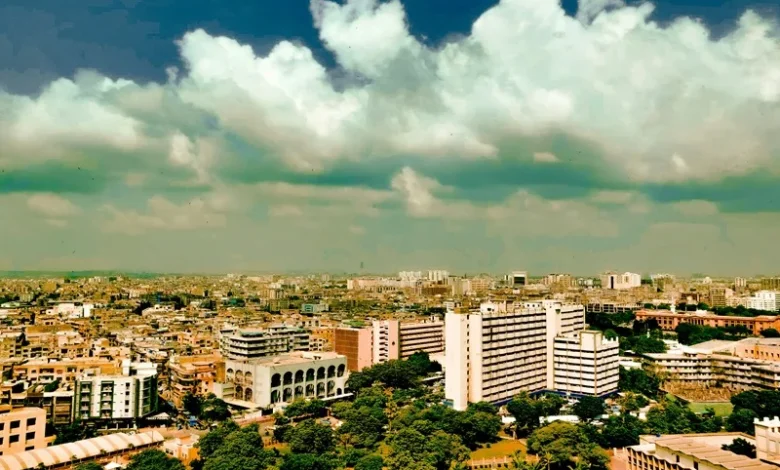
Temperatures across Pakistan have risen dramatically over the last few days resulting in a large number of fatalities due to heat-related issues. For those living in areas near water, such as Karachi, the threat from heat levels are amplified by increased humidity where the temperature felt will ultimately rise above the actual temperature and reduce the ability of the body to cool itself down.
Heat waves are considered hazardous when the body is unable to lose its normal body temperature or regulate itself in order to maintain its normal body temperature.
What Is Heatstroke?
High humidity and temperature cause inefficient sweating,
Long-term exposure to high temperatures and humidity causes an increase in your internal body temperature (core temperature),
No cooling down at night causes continued strain on your body without relief.
Heat exhaustion is the first level of heat-related illness. Symptoms are as follows:
- Excessive sweating
- Weakness/dizzy
- Nauseous or headache
- Fast heartbeat (pulse)
Explore The Changing World Around You
Why Does Indoor Air Quality Matter?
Discover how indoor plants play a key role in cleaner and healthier living.
Can Native Plants Improve Chennai Air?
Explore what studies reveal about pollution levels inside urban homes.
Which Indoor Plants Clean Air Naturally?
Check the best plants that help purify indoor air effectively.
How Is Global Warming Affecting Wildlife?
Discover the impact of climate change on ecosystems and animal life.
How Is Climate Changing Weather Patterns?
Explore how global warming is reshaping weather across the world.
Warning Signs You Should Never Ignore
Early Signs (Heat Exhaustion)
Heat stroke is the most severe level of heat-related illness and is a medical emergency. Heat stroke occurs when your body temperature rises above 40°C due to a failure of the body’s cooling system. The following symptoms indicate a person is suffering from heat stroke:
- Very high body temperature
- Skin feels very hot and dry with very little or no sweating
- Confusion/dizziness
- Fainting/unresponsive.
What To Do If Someone Has Heatstroke
1. Move the Autopilot
Get the person into an air-conditioned or shaded area right away.
2. Cool the Body Off Quickly
Use cold water to wet the person’s skin
Apply ice packs to their groin, neck, and armpits
Use a fan on them at all times
3. Hydrate (If They Can Drink)
With small amounts of liquid, provide drinks or oral rehydration solutions.
4. Get Emergency Medical Help
Do not take your time getting the person medical assistance for heatstroke; you do not want to waste time doing so.
How To Protect Yourself During This Heatwave
Do Not Go Outside From Noon to 4 PM
Drink water all day, even if you’re not thirsty
Wear light-weight, breathable clothing
Use shade or a fan or air conditioning as much as you can
Check On Your Elderly Family And Children
Why Coastal Cities Like Karachi Face Higher Risk
When compared to deserts that are not as hot, the air temperature will be lower. Karachi’s high relative humidity causes heat to stay trapped in
Karachi has greater risk of a heat-related illness because:
High humidity keeps heat near the body.
Sweat will not evaporate as effectively when it is humid.
At night, temperatures will remain warm and prevent recovery from heat.
As a result, the risk of heat-related illnesses is increased substantially.
Final Words
The heat wave in Karachi is extreme; however, it is also a dangerous situation.
By recognizing symptoms quickly and acting on them quickly, you may save lives in a situation such as this because every minute can count.
FAQs
1. Is 44 degrees Celsius life-threatening?
Sure; particularly if it is humid. Heat can build up quickly. There are numerous ways to succumb to heat if you are exposed long enough.
2. Who Is At Risk?
Children, elderly individuals and those working outdoors (especially in the sun) are at greatest risk for heat-related illness.
3. Can heatstroke happen indoors?
Yes, especially in poorly ventilated or non-cooled spaces.
4. How fast can heatstroke occur?
Within minutes to hours during extreme exposure.