
When Will Rain Hit Your City? Check the Revised Pre-Monsoon Arrival Timings & IMD Rain Alerts
IMD revises pre-monsoon rain timeline across India. Check rain alerts, thunderstorm warnings, heatwave relief cities, and monsoon updates.

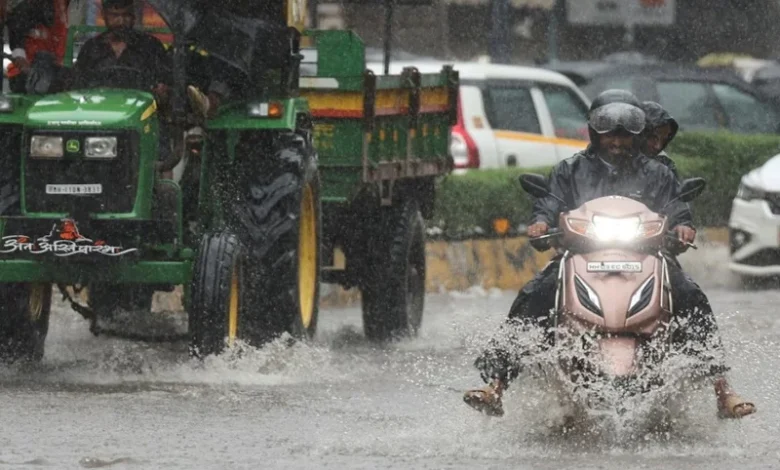
India’s weather pattern is rapidly shifting as the India Meteorological Department (IMD) revises pre-monsoon rainfall timelines across several regions. After weeks of extreme heatwave conditions, thunderstorms, gusty winds, lightning activity, and fresh rain bands are now expanding across parts of South, East, Central, and Northwest India.
Meteorologists say the weather transition is being driven by strengthening moisture flow from the Arabian Sea and Bay of Bengal, combined with western disturbances and unstable pre-monsoon atmospheric systems.
Which Regions Will Get Rain First?
The earliest widespread rainfall activity is already affecting parts of:
- Kerala
- Tamil Nadu
- Karnataka
- Assam
- Meghalaya
- Tripura
- Nagaland
Heavy rainfall and thunderstorm alerts remain active across many southern and northeastern districts.
North India Rain Relief Timeline
The IMD says parts of North India may begin receiving temporary heatwave relief between May 28 and May 30 through:
- Thunderstorms
- Dust storms
- Gusty winds
- Short-duration rainfall
Cities likely to see changing weather conditions include:
- Delhi
- Lucknow
- Jaipur
- Chandigarh
- Patna
However, meteorologists warn that severe daytime heat may still continue in several districts before widespread cooling develops.
Why IMD Revised the Pre-Monsoon Timeline
The southwest monsoon was initially expected to reach Kerala earlier, but shifting atmospheric conditions have slightly delayed official onset expectations.
Meteorologists are closely monitoring:
- Arabian Sea moisture strength
- Wind circulation stability
- Bay of Bengal cloud systems
- El Niño development signals
- Western disturbances over North India
The IMD says conditions remain favorable for monsoon advancement despite short-term fluctuations.
What Kind of Rainfall Is Expected?
The current weather pattern may produce:
- Intense thunderstorms
- Lightning activity
- Localised heavy rain
- Strong wind gusts up to 70 km/h
- Dust storms in northwest regions
- Urban waterlogging in some cities
The IMD has also warned that rapidly changing weather may disrupt travel, outdoor work, and power infrastructure in some states.
Why Some Cities Will Stay Hot Longer
Despite increasing rain activity, parts of:
- Rajasthan
- Madhya Pradesh
- Uttar Pradesh
- Telangana
may continue facing severe heatwave conditions for another few days because dry desert winds are still dominating some northern and central regions.
Why 2026’s Pre-Monsoon Season Is Unusual
Meteorologists say India is experiencing a highly unstable transition phase this year because of:
- Severe early heatwaves
- Warmer nights
- Above-normal thunderstorm activity
- Possible El Niño development later in the monsoon season
Some regions are already witnessing unusually high pre-monsoon rainfall while others remain under dangerous heat stress.
India Rain Alerts, Cyclone Updates & Monsoon Watch
Explore Bay of Bengal low pressure update?
Discover coastal cities expecting heavy rain tonight.
Check Assam Meghalaya dangerous road routes?
Explore areas affected by heavy rainfall and alerts.
Discover Srinagar Shimla thunderstorm travel safety?
Check whether hill station travel is advisable this week.
Explore India monsoon arrival rainfall forecast?
Discover expected rain trends for Mumbai and North India.
Check Delhi airport delays sudden rainstorms?
Explore why storms are disrupting flight schedules.
Final Words
India’s weather is now entering a rapid transition phase as pre-monsoon systems strengthen across multiple regions.
While southern and northeastern states are already seeing widespread rain activity, North and Central India may begin receiving gradual relief through thunderstorms and scattered rainfall over the next few days. However, experts warn that weather conditions could remain highly unstable, with intense storms, lightning, and heatwaves continuing simultaneously in different parts of the country.