
What Is a Heat Dome? How the Upcoming Super El Niño Is Predicting Record-Breaking Heatwaves in 2026
Learn what a heat dome is and how a possible Super El Niño could trigger record-breaking heatwaves, droughts, and extreme temperatures in 2026.

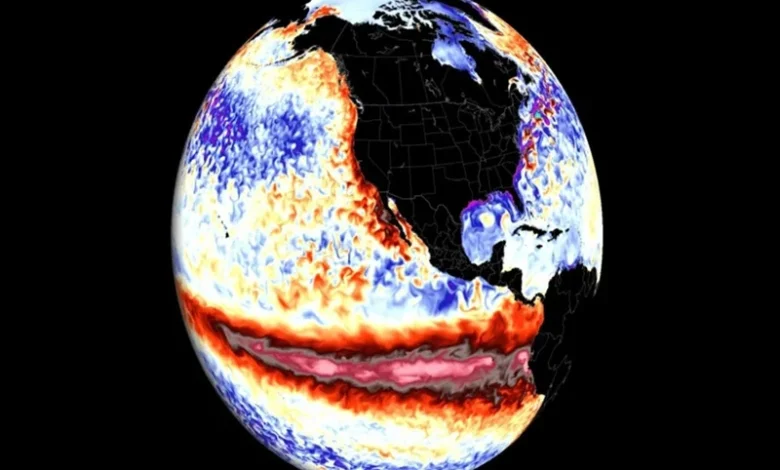
The world is already witnessing unusually intense heatwaves in 2026, and climate scientists say two major weather forces are now combining to increase the risk of even more dangerous temperatures ahead: heat domes and a possible “Super El Niño.”
From Europe’s record-breaking spring heat to India’s brutal 47°C temperatures, meteorologists warn that extreme heat events are becoming earlier, longer, and more intense.
What Is a Heat Dome?
A heat dome is a powerful high-pressure weather system that traps hot air over a region for several days or even weeks.
The high-pressure system acts like a lid in the atmosphere:
- Hot air becomes trapped near the surface
- Cloud formation decreases
- Winds weaken
- Sunlight continuously heats the ground
As the trapped air compresses, temperatures rise even further.
The longer the heat dome remains stationary, the more dangerous the heat becomes.
Why Heat Domes Are So Dangerous
Heat domes create persistent extreme heat rather than short temperature spikes.
This increases risks of:
- Heatstroke
- Dehydration
- Wildfires
- Crop damage
- Power outages
- Water shortages
- Heat-related deaths
Warm nights become especially dangerous because buildings and roads release stored heat slowly after sunset, preventing the body from cooling properly.
Why 2026 Is Raising Alarm Globally
Meteorologists say 2026 is already seeing:
- Early-season European heatwaves
- Extreme temperatures across India
- Severe urban heat stress
- Rising nighttime temperatures
- Expanding drought conditions in some regions
Several scientists describe current European heat records as “mind-bogglingly crazy” for spring conditions.
What Is a Super El Niño?
El Niño is a climate pattern caused by unusually warm Pacific Ocean temperatures.
A “Super El Niño” happens when those ocean temperatures become exceptionally warmer than normal — usually above +2°C in the central and eastern Pacific.
Scientists are closely monitoring 2026 because several forecast models now suggest the developing El Niño could become unusually strong.
How Super El Niño Increases Heatwaves
A strong El Niño can reshape global weather patterns by altering atmospheric circulation and ocean heat distribution.
Potential impacts include:
- More severe heatwaves
- Hotter nights
- Drought conditions in some countries
- Weaker monsoon rainfall in parts of Asia
- Increased wildfire conditions
- Higher global average temperatures
India is considered especially vulnerable because El Niño years are often associated with hotter summers and weaker monsoon performance.
Why Scientists Are Watching India Closely
India is already experiencing dangerous heatwave conditions across multiple states.
Cities and regions in:
- Uttar Pradesh
- Rajasthan
- Delhi NCR
- Maharashtra
- Gujarat
have seen temperatures approaching or crossing dangerous thresholds in recent weeks.
Scientists warn that if a very strong El Niño develops later in 2026, it could:
- Extend heatwave duration
- Delay rainfall relief
- Increase power demand
- Stress water supplies
- Raise heat-related health risks
Why Climate Change Makes Heat Domes Worse
Heat domes are natural weather events, but climate change is increasing their intensity.
Because global temperatures are already warmer than historical averages:
- Heat domes start from a hotter baseline
- Record temperatures become easier to break
- Heatwaves arrive earlier
- Recovery periods become shorter
Experts say Europe is currently one of the fastest-warming regions globally.
Could 2026 Become One of the Hottest Years Ever?
Possibly.
Several climate agencies and long-range forecast models now suggest 2026 and 2027 could rank among the hottest years ever recorded globally if El Niño strengthens further.
However, scientists also caution that long-range El Niño forecasting still carries uncertainty.
India Rain Alerts, Cyclone Updates & Monsoon Watch
Explore Bay of Bengal low pressure update?
Discover coastal cities expecting heavy rain tonight.
Check Assam Meghalaya dangerous road routes?
Explore areas affected by heavy rainfall and alerts.
Discover Srinagar Shimla thunderstorm travel safety?
Check whether hill station travel is advisable this week.
Explore India monsoon arrival rainfall forecast?
Discover expected rain trends for Mumbai and North India.
Check Delhi airport delays sudden rainstorms?
Explore why storms are disrupting flight schedules.
Final Words
The combination of heat domes, climate change, and a potentially powerful Super El Niño is creating serious concern among meteorologists worldwide in 2026.
Extreme heat is no longer viewed as a short-term weather inconvenience — it is increasingly becoming a large-scale climate and public health challenge. As temperatures continue rising across Europe, Asia, and other regions, experts say heat preparedness, water management, and climate adaptation may become essential survival priorities during future summers.
FAQs
What is a heat dome?
A heat dome is a high-pressure system that traps hot air over a region for several days or weeks.
Why are heat domes dangerous?
They create prolonged extreme heat, increasing risks of dehydration, heatstroke, wildfires, and power stress.
What is a Super El Niño?
It is an unusually strong El Niño event caused by major warming in the Pacific Ocean.
Could Super El Niño worsen India’s heatwaves?
Yes. Scientists say strong El Niño conditions may increase heatwave intensity and affect monsoon rainfall.
Is climate change linked to stronger heatwaves?
Scientists say climate change is making extreme heat events more frequent, longer, and more intense globally.