How to Claim the ₹6,000 EV Home Charger Subsidy Online – Step-by-Step State Guide
Learn how to apply for the ₹6,000 EV home charger subsidy online in India with this step-by-step guide on eligibility, documents, and tracking.

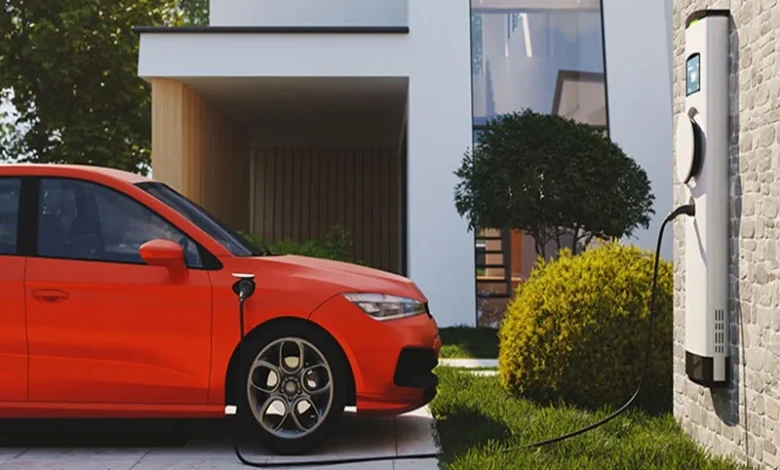
As more electric vehicles are being adopted in India, many people interested in buying an EV want to be able to apply for incentives related to home charging and installation, most often through state EV policies and various government-backed programs.
Depending on the state and whether a vehicle is purchased from a dealer or through a private owner, incentives can vary widely, so many new EV owners are looking for the ₹6,000 home charger support incentive that is commonly talked about as being available through dealer linking and DISCOM (Power Distribution Centre) programs or through reimbursements listed in state EV policy in specific regions.
Follow this up with a brief description of what the online application process typically looks like for this home charger rebate.
Step-by-Step Online Application Process
Step 1: Visit Your State EV Portal or DISCOM Website
Most of the time, rebates are processed through state EV policy portals, through DISCOMs, through dealer linked/reimbursement current systems or through some combination of both with respect to registering for the rebate.
Step 2: Complete EV Ownership Verification
For most EV owners, they will have to provide their vehicle registration number along with an approved form of photo identification and proof to confirm ownership of the vehicle.
Step 3: Upload Charger Installation Details
You will need to provide documentation to support that you have purchased a charger, that you have completed the installation (including invoice) of the charger at your premises, proof of address (utility bill or lease) and finish with valid electricity connection details from your utility to apply for a rebate on the charger.
Step 4: Submit Bank Details
Subsidy reimbursement is usually transferred directly through:
- DBT (Direct Benefit Transfer)
- State reimbursement systems
- Dealer adjustment credits
Step 5: Track Approval Status Online
Most portals provide:
- Application tracking identifiers
- Text message updates
- E-mail confirmations
- Notifications about approval status
India Rain Alerts, Cyclone Updates & Monsoon Watch
Explore Bay of Bengal low pressure update?
Discover coastal cities expecting heavy rain tonight.
Check Assam Meghalaya dangerous road routes?
Explore areas affected by heavy rainfall and alerts.
Discover Srinagar Shimla thunderstorm travel safety?
Check whether hill station travel is advisable this week.
Explore India monsoon arrival rainfall forecast?
Discover expected rain trends for Mumbai and North India.
Check Delhi airport delays sudden rainstorms?
Explore why storms are disrupting flight schedules.
Final Words
While different states have different regulations, most of the new online application systems are focused on Aadhaar verification of applicant’s identity, charger documentation of charger installations and reimbursing the customer directly through a bank transfer. If you own an electric vehicle and plan to install a home charging system in 2026, knowing some of the eligibility requirements for eligibility for the subsidy can be beneficial to both your installation costs and subsequent long-term ownership costs associated with your electric vehicle.
FAQs
Is the ₹6000 electric vehicle charger subsidy offered to everyone in all areas of India?
No. The subsidy is based on each state’s electric vehicle policy, as well as the local implementation program the state has.
Are there subsidies available for two wheeled electric vehicle owners?
In some states, the answer is yes. Each policy has its own eligibility structure.
Is it necessary to provide evidence of an Aadhaar linked identity?
Yes. Most current schemes require Aadhar linked identity verification.
Are there many different chargers that qualify for the subsidy program?
Generally, only approved or certified chargers are eligible for subsidised rates.