
IMD Heatwave Alert 2026: 7 Things Every Indian Family Should Do Before Temperatures Cross 45°C

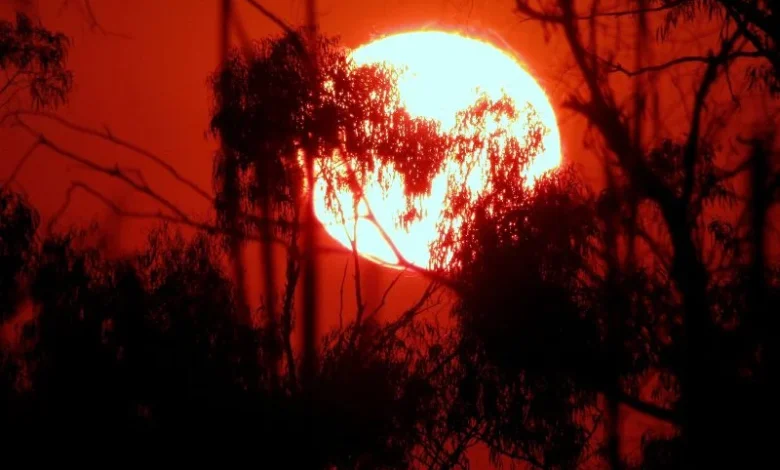
Repeated heatwave alerts have been issued by the IMD in many areas of North, Central and West India as many cities approach or exceed 45°C. According to health experts, extreme heat is no longer just uncomfortable, but it poses a significant safety risk in your home, affecting hydration, electricity consumption, sleep patterns, electronics, elderly health, and the ability to commute daily.
1. Store Emergency Hydration Supplies
Households should keep hydration supplies stocked with:
- Drinking water
- Oral rehydration solution (ORS) packets
- Coconut water
- Ingredients for buttermilk (such as milk, yogurt, etc.)
- Electrolyte drinks
2. Prepare for Power Cuts and Inverter Stress
Families should do the following:
- Check the condition of your inverters battery.
- Charge your power banks ahead of time.
- Do NOT overload your backup system with devices.
- Store rechargeable emergency lighting.
Sustainable Tech, Heatwaves & Weather Alerts
Explore carbon intelligence future electronics design?
Discover how eco-design is shaping sustainable technology.
Check recycling electronics safely everyday checklist?
Explore practical tips for responsible e-waste disposal.
Discover EV charging after long heatwave drive risks?
Check why cooling batteries before charging matters.
Explore IMD wind rain alerts 15 states?
Discover affected regions and possible weekend disruptions.
Check vampire appliances increasing AC bills?
Explore devices secretly raising monthly electricity costs.
3. Keep Homes Cooler Before Peak Afternoon Heat
Experts suggest doing a few things to lessen the heat buildup within your home early in the day.
Some helpful things to do are:
- Keep the curtains closed during the heat of the afternoon sun.
- Provide cross ventilation (air movement) within your home in the morning.
- Turn off any appliances that are not in use during the day.
- Use fans effectively.
4. Avoid Outdoor Exposure Between 12 PM and 4 PM
The peak heat of the day occurs during this time period, so you should stay indoors, as you run the greatest risk of acquiring heatstroke while outside.
During this time period:
- The hottest surface temperature occurs.
- There is a sharp increase in heatstroke risk.
- There is an increase in dehydration.
- There are dangers caused by hot winds.
5. Be on the lookout for indicators of heatstroke
Depending on the severity of the situation, some of the symptoms that may indicate having heatstroke are:
- Dizziness or confusion
- Nauseous feeling
- Heart racing fast
- Extreme lethargy or exhaustion
- Unconscious
6. Protect Electronics and Appliances
Extreme temperatures can also be harmful to:
- Inverter units
- A/C units
- WiFi routers
- Refrigerators
- Solar panel systems
7. Make regular “wellness checks” of older family members
Older family members need to:
Drink fluids to stay hydrating on a regular basis.
Stay out of the sun, especially during the afternoon hours.
Stay in a cool, well-ventilated area where air is flowing.
Take their prescribed medication regularly as they are scheduled to do.
Report any sign of weakness, or if you suspect they are confused or disoriented.
Final Words
Experts say early preparation, hydration awareness, heat protection habits, and careful monitoring of vulnerable family members may significantly reduce health risks during prolonged 45°C+ conditions. In many regions, heatwave readiness is quickly becoming as important as monsoon preparedness.
FAQs
What are the Official Heatwave Thermometers in India?
The IMD defines a heatwave by temperature criteria for each region. A heatwave occurs if temperatures exceed normal seasonal levels at that location.
What is the worst time to be out in a Heatwave Outside of your Home?
The hours between 12 and 4 P.M. are generally viewed as the most dangerous time to be outside in a heatwave.
How Much Water Should Families Drink When It’s a Heatwave?
Experts say families should stay hydrated throughout the day, even when they do not feel thirsty; this is especially true when outside.
Why are Warm Nights during Heatwaves so Dangerous?
Warm evenings restrict the body’s ability to cool after exposure to the heat of the day; therefore fatigue or dehydration may occur more often.